The Diverse World of Artistic Genres
Artistic genres are the building blocks of creative expression, encompassing a wide range of styles, techniques, and themes that artists use to convey their ideas and emotions. From the classical elegance of Renaissance painting to the bold experimentation of contemporary art, each genre offers a unique perspective on the world around us.
Visual Arts
In the realm of visual arts, genres such as realism, impressionism, surrealism, and abstract art provide artists with different ways to interpret reality and imagination. Whether capturing the essence of everyday life or exploring the depths of the subconscious mind, each genre offers a distinct visual language that speaks to viewers in varied ways.
Literature
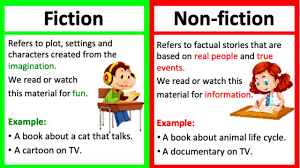
Literary genres like fiction, poetry, drama, and non-fiction allow writers to craft narratives that entertain, provoke thought, or document historical events. From the whimsical world-building of fantasy fiction to the introspective exploration of poetry, each genre invites readers to engage with diverse perspectives and storytelling techniques.
Music
Music genres such as classical, jazz, rock, hip-hop, and electronic music offer listeners a rich tapestry of sounds and rhythms that evoke emotions and inspire movement. Whether enjoying the intricate melodies of a symphony or grooving to the beats of a dance track, each genre has its own unique appeal that resonates with audiences worldwide.
Film and Theatre
In film and theatre, genres like comedy, drama, science fiction, horror, and documentary transport audiences to different worlds and emotional landscapes. Whether laughing at a witty comedy or experiencing heart-pounding suspense in a thriller film, each genre provides viewers with an immersive storytelling experience that leaves a lasting impact.
Artistic genres not only reflect the diversity of human creativity but also serve as windows into different cultures, histories, and perspectives. By exploring various genres across different art forms, we can expand our horizons and deepen our appreciation for the boundless possibilities of artistic expression.
Understanding Artistic Genres: Key Questions and Insights
- What is the definition of artistic genres?
- How many different artistic genres are there?
- What are the main categories of visual arts genres?
- Can you provide examples of popular literary genres?
- What distinguishes one music genre from another?
- How do film genres influence audience expectations?
- Are there any emerging artistic genres in contemporary art?
- How have artistic genres evolved over time?
What is the definition of artistic genres?
Artistic genres encompass a categorisation of styles, themes, and techniques within various forms of creative expression, including visual arts, literature, music, and performing arts. These classifications provide a framework for understanding and appreciating the diverse ways in which artists convey their ideas and emotions. By defining artistic genres, we can explore the nuances of different aesthetic approaches, historical contexts, and cultural influences that shape the rich tapestry of artistic expression across time and geography. Ultimately, the definition of artistic genres serves as a guide for both creators and audiences in navigating the vast landscape of creative possibilities and interpretations within the realm of art.
How many different artistic genres are there?
The question of how many different artistic genres exist is a complex one, as the world of art is vast and constantly evolving. Artistic expression knows no bounds, and artists across various disciplines continue to push the boundaries of traditional genres while creating new ones. From visual arts like painting and sculpture to literary genres such as poetry and fiction, and from music styles like classical and jazz to film genres including comedy and drama, the diversity of artistic genres is truly endless. While it may be challenging to quantify the exact number of artistic genres, what remains certain is that each genre offers a unique lens through which artists can explore and communicate their ideas, emotions, and experiences with the world.
What are the main categories of visual arts genres?
When exploring the diverse world of visual arts genres, it is essential to understand the main categories that encompass this dynamic field of creative expression. The primary genres in visual arts include realism, impressionism, surrealism, and abstract art. Realism focuses on depicting subjects with accuracy and detail to represent them as they appear in reality. Impressionism captures fleeting moments and atmospheric effects through loose brushwork and vibrant colours. Surrealism delves into the realm of dreams and the subconscious, creating fantastical imagery that challenges conventional reality. Abstract art breaks away from representing recognizable objects, instead focusing on shapes, colours, and forms to evoke emotions and ideas. Each of these genres offers a unique perspective on the world and invites viewers to engage with art in diverse and thought-provoking ways.
Can you provide examples of popular literary genres?
Literary genres encompass a wide array of storytelling styles and themes that have captivated readers for generations. Some examples of popular literary genres include fiction, which includes subgenres like mystery, romance, science fiction, and fantasy, each offering unique narratives that transport readers to fantastical worlds or intriguing mysteries. Poetry is another genre known for its lyrical language and emotional depth, often exploring themes of love, nature, and the human experience in concise and evocative verses. Drama is yet another genre that brings stories to life through dialogue and performance, delving into complex relationships, societal issues, and personal struggles on stage or screen. These genres, among others, showcase the rich diversity of storytelling within the realm of literature.
What distinguishes one music genre from another?
Music genres are distinguished by a combination of factors that define their unique characteristics and appeal to different audiences. Elements such as rhythm, melody, instrumentation, lyrics, and cultural influences play a significant role in shaping the distinct sound and style of each genre. For example, classical music is known for its complex compositions and orchestral arrangements, while rock music typically features electric guitars and energetic rhythms. Additionally, the historical context, social movements, and technological advancements of a particular era can also influence the development and evolution of music genres. Ultimately, it is the fusion of these elements that sets one music genre apart from another, creating a diverse landscape of musical expression for listeners to explore and enjoy.
How do film genres influence audience expectations?
Film genres play a crucial role in shaping audience expectations by establishing familiar conventions, themes, and storytelling techniques that viewers associate with specific genres. For example, in a horror film, audiences anticipate suspenseful moments, jump scares, and a sense of dread, while in a romantic comedy, they expect light-hearted humour and a happy ending. By adhering to genre conventions or subverting them, filmmakers can either meet or challenge audience expectations, creating engaging viewing experiences that resonate with viewers on both emotional and intellectual levels. Ultimately, understanding how film genres influence audience expectations allows filmmakers to craft narratives that captivate and surprise audiences while staying true to the essence of the genre.
Are there any emerging artistic genres in contemporary art?
In the dynamic landscape of contemporary art, the question of emerging artistic genres often sparks curiosity and debate among artists, critics, and enthusiasts alike. As the boundaries of traditional genres blur and artistic experimentation knows no limits, new forms of expression continue to emerge. From digital art and virtual reality installations to eco-art and bio-art exploring environmental themes, contemporary artists are pushing boundaries and redefining what constitutes an artistic genre. These emerging genres not only reflect the influence of technology, social issues, and cultural shifts but also challenge viewers to engage with art in innovative ways that resonate with the complexities of our modern world.
How have artistic genres evolved over time?
Artistic genres have undergone a fascinating evolution over time, reflecting the shifting trends, ideologies, and innovations of each era. From the traditional forms of classical art to the avant-garde experiments of modernism and postmodernism, artistic genres have continuously adapted and transformed in response to societal changes and technological advancements. The evolution of artistic genres has seen a dynamic interplay between tradition and innovation, with artists pushing boundaries, challenging conventions, and redefining the very essence of what constitutes art. This ongoing process of evolution not only showcases the diversity and richness of artistic expression but also highlights the enduring relevance and impact of art across different cultures and time periods.