The Importance of the Convention on the Prevention of Marine Pollution
Marine pollution poses a significant threat to our oceans and marine ecosystems. Recognising the urgent need to address this issue, the Convention on the Prevention of Marine Pollution was established as a crucial international agreement aimed at safeguarding our seas from harmful pollutants.
Key Objectives
The primary goal of this convention is to prevent and control pollution of the marine environment from ships, land-based sources, and maritime activities. By setting out guidelines and regulations for member states to follow, the convention seeks to minimise the impact of human activities on marine life and habitats.
Scope of Regulations
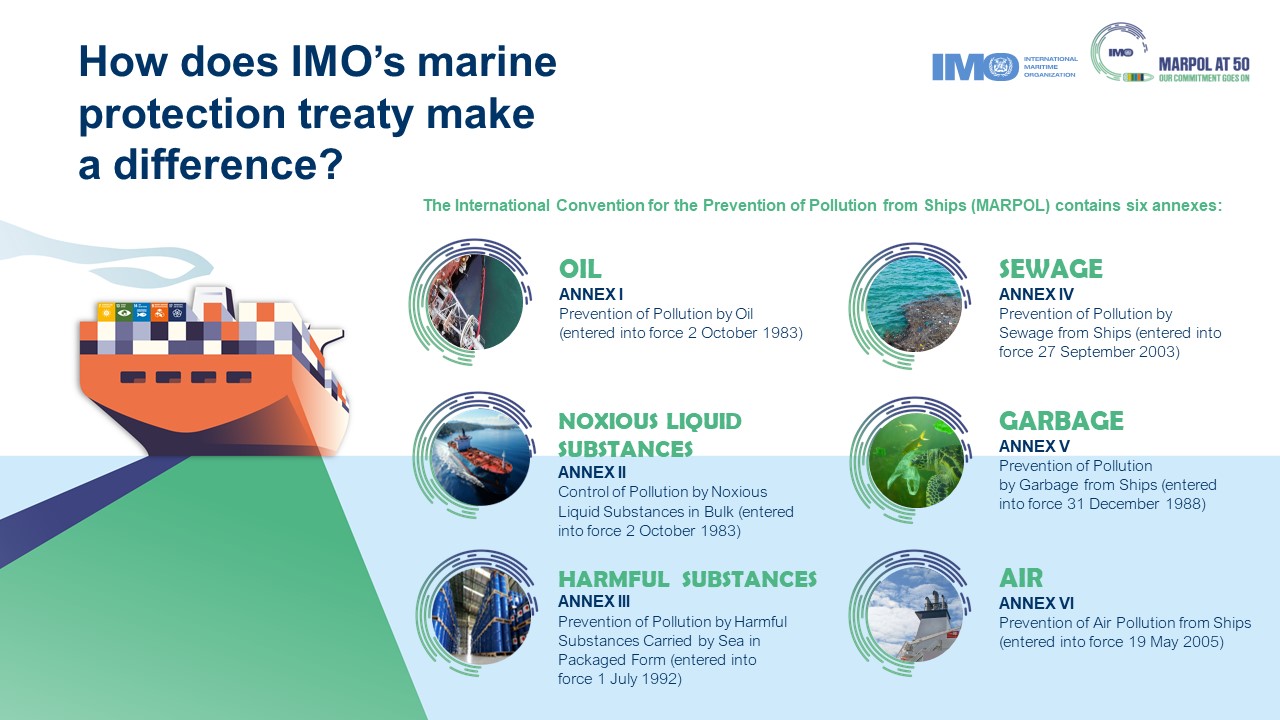
The convention covers various aspects of marine pollution, including oil spills, chemical discharges, sewage disposal, and littering. It establishes protocols for monitoring and reporting pollution incidents, as well as measures for responding to emergencies effectively.
International Cooperation
Effective implementation of the convention requires close collaboration among nations, shipping industries, environmental organisations, and scientific communities. By working together towards common goals, countries can better protect their shared marine resources and promote sustainable practices.
Ongoing Challenges
Despite significant progress in reducing marine pollution in recent years, challenges persist due to factors such as inadequate enforcement mechanisms, lack of awareness among stakeholders, and emerging threats from new sources of pollution. Continuous efforts are needed to strengthen compliance with regulations and enhance global initiatives for marine conservation.
Conclusion
The Convention on the Prevention of Marine Pollution stands as a beacon of hope in our collective efforts to preserve the health and integrity of our oceans. Through adherence to its principles and proactive measures taken by all parties involved, we can strive towards a cleaner, healthier marine environment for current and future generations.
Understanding Key Conventions on the Prevention of Marine Pollution: FAQs
- Which Convention is related to Marine Pollution?
- What are the conventions relating to prevention of Marine Pollution?
- What is the MARPOL 73/78 Convention?
- What is the main aim of the OPRC convention?
- What is the Convention for marine pollution?
Which Convention is related to Marine Pollution?
The Convention related to Marine Pollution is known as the “Convention on the Prevention of Marine Pollution.” This international agreement plays a crucial role in addressing the issue of marine pollution by setting guidelines and regulations to prevent and control pollution from various sources such as ships, land-based activities, and maritime operations. By focusing on monitoring, reporting, and response mechanisms, this convention aims to protect marine ecosystems and ensure the sustainable use of our oceans for generations to come.
What are the conventions relating to prevention of Marine Pollution?
One of the frequently asked questions regarding the prevention of marine pollution is, “What are the conventions relating to the prevention of Marine Pollution?” In response, it is important to highlight key international agreements such as the International Convention for the Prevention of Pollution from Ships (MARPOL) and the London Convention on the Prevention of Marine Pollution by Dumping of Wastes and Other Matter. These conventions set out regulations and guidelines to address various sources of marine pollution, including oil spills, chemical discharges, and waste disposal. By adhering to these conventions, countries can work together towards safeguarding our oceans and promoting sustainable practices to protect marine ecosystems for future generations.
What is the MARPOL 73/78 Convention?
The MARPOL 73/78 Convention, short for the International Convention for the Prevention of Pollution from Ships, is an essential international agreement established to combat marine pollution caused by shipping activities. Adopted in 1973 and amended in 1978, MARPOL sets out regulations and guidelines to prevent pollution from oil spills, harmful substances, sewage discharges, and garbage disposal at sea. This convention plays a vital role in promoting sustainable maritime practices and protecting marine ecosystems worldwide.
What is the main aim of the OPRC convention?
The main aim of the OPRC (Oils Pollution Preparedness, Response and Co-operation) convention is to enhance the preparedness and response capabilities of countries in dealing with oil pollution incidents in the marine environment. By providing a framework for effective coordination, communication, and cooperation among nations, the convention aims to minimise the environmental impact of oil spills and ensure a prompt and coordinated response to such emergencies. Through training programmes, contingency planning, and mutual assistance mechanisms, the OPRC convention plays a crucial role in safeguarding marine ecosystems and coastal communities from the devastating effects of oil pollution.
What is the Convention for marine pollution?
The Convention for marine pollution, also known as the Convention on the Prevention of Marine Pollution, is an international agreement established to address the pressing issue of pollution in our oceans. This convention sets out guidelines and regulations aimed at preventing and controlling pollution from various sources such as ships, land-based activities, and maritime operations. By promoting cooperation among member states and outlining measures to monitor, report, and respond to pollution incidents effectively, the convention plays a crucial role in safeguarding marine ecosystems and preserving the health of our seas for future generations.