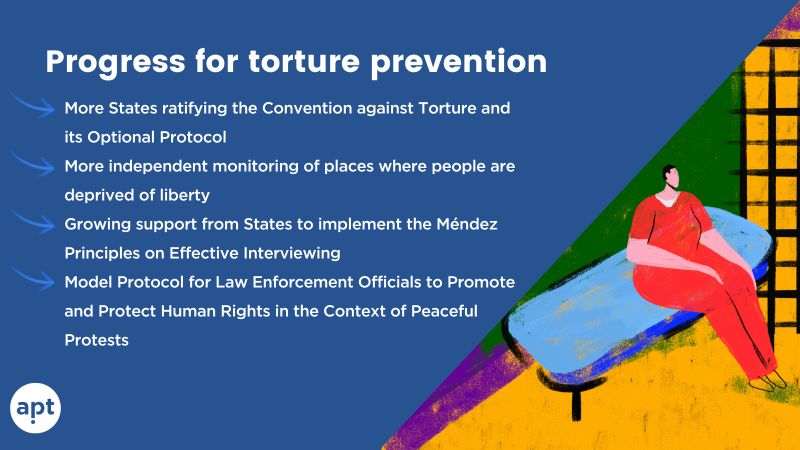
The Convention on Torture: Upholding Human Rights
Torture is a heinous act that violates the very essence of human dignity and rights. In recognition of this abhorrent practice, the United Nations adopted the Convention against Torture and Other Cruel, Inhuman or Degrading Treatment or Punishment in 1984.
This international treaty sets out clear guidelines and obligations for states to prevent and prohibit torture in all its forms. It affirms that no exceptional circumstances whatsoever can justify torture, making it an absolute prohibition under international law.
Central to the Convention is the commitment to investigate allegations of torture thoroughly and impartially, prosecute perpetrators, and provide redress to victims. States parties are also required to ensure that no one is expelled, returned or extradited to a country where there are substantial grounds for believing they would be at risk of torture.
Furthermore, the Convention emphasises the importance of training law enforcement officials, prison staff, and other relevant personnel on human rights standards to prevent any form of ill-treatment or abuse.
By ratifying and upholding the Convention on Torture, countries demonstrate their dedication to promoting respect for human rights and fundamental freedoms. It serves as a beacon of hope for victims of torture worldwide, offering them protection and justice.
As we strive towards a world free from torture, it is imperative that all nations unite in their commitment to eradicate this cruel practice once and for all. The Convention on Torture stands as a testament to our collective resolve to uphold the inherent dignity of every individual.
Understanding the UK Context of the Convention Against Torture: Key Questions Answered
- What is the Convention against Torture in the UK?
- What does Convention against Torture mean?
- What are the 4 elements of torture?
- Who wrote the Convention against Torture?
- What is the Brief Convention against Torture?
- What is the 1984 Convention against Torture?
- What is the Treaty Body Convention against Torture?
What is the Convention against Torture in the UK?
The Convention against Torture, to which the United Kingdom is a signatory, is an international treaty that aims to prevent and prohibit torture and other forms of cruel, inhuman, or degrading treatment or punishment. In the UK, the Convention against Torture is implemented through domestic legislation and policies that uphold its principles and obligations. It requires the UK government to take effective measures to prevent torture within its jurisdiction, investigate allegations of torture thoroughly and impartially, prosecute perpetrators, and provide redress to victims. By adhering to the Convention against Torture, the UK demonstrates its commitment to promoting human rights and ensuring that all individuals are protected from such abhorrent acts.
What does Convention against Torture mean?
The Convention against Torture, also known as the United Nations Convention against Torture and Other Cruel, Inhuman or Degrading Treatment or Punishment, is an international treaty that aims to prevent and prohibit torture in all its forms. This convention establishes clear guidelines and obligations for states to uphold human rights by ensuring that torture is never justified under any circumstances. It requires countries to investigate allegations of torture, prosecute perpetrators, provide redress to victims, and prevent the extradition of individuals to places where they may face torture. By ratifying the Convention against Torture, nations commit to upholding the fundamental principle that every individual has the right to be free from torture and ill-treatment.
What are the 4 elements of torture?
Torture is defined by four key elements: intentional infliction of severe physical or mental pain or suffering, for purposes such as obtaining information, punishment, intimidation, or discrimination. These elements are crucial in identifying acts that constitute torture under international law. Understanding and recognising these components is essential in combating and preventing the abhorrent practice of torture, ensuring the protection of human rights and dignity for all individuals.
Who wrote the Convention against Torture?
The Convention against Torture, formally known as the United Nations Convention against Torture and Other Cruel, Inhuman or Degrading Treatment or Punishment, was drafted by a committee of legal experts and representatives from various countries under the auspices of the United Nations. The primary author of the Convention was Professor Peter Leuprecht, a renowned legal scholar and human rights advocate. The drafting process involved extensive consultations and negotiations to ensure that the text reflected the universal condemnation of torture and the commitment to its eradication on a global scale.
What is the Brief Convention against Torture?
The Brief Convention against Torture refers to the Convention against Torture and Other Cruel, Inhuman or Degrading Treatment or Punishment, an international treaty established by the United Nations in 1984. This important document outlines clear guidelines and obligations for countries to prevent and prohibit torture in all its forms. It asserts that torture is never justified under any circumstances and must be strictly prohibited by law. The Convention also mandates that states investigate allegations of torture thoroughly, prosecute perpetrators, and provide support to victims. By upholding the principles of the Brief Convention against Torture, nations demonstrate their commitment to protecting human rights and promoting a world free from such heinous acts.
What is the 1984 Convention against Torture?
The 1984 Convention against Torture, formally known as the United Nations Convention against Torture and Other Cruel, Inhuman or Degrading Treatment or Punishment, is an international treaty that aims to eradicate the abhorrent practice of torture worldwide. Adopted by the United Nations General Assembly in 1984, this convention sets out clear guidelines and obligations for states to prevent and prohibit torture in all its forms. It establishes that torture is an absolute prohibition under international law, with no exceptions permitted under any circumstances. The Convention against Torture also mandates states to investigate allegations of torture rigorously, prosecute perpetrators, and provide redress to victims. By ratifying this treaty, countries demonstrate their commitment to upholding human rights and ensuring the dignity and well-being of all individuals.
What is the Treaty Body Convention against Torture?
The Treaty Body Convention against Torture, formally known as the United Nations Convention against Torture and Other Cruel, Inhuman or Degrading Treatment or Punishment, is an international treaty established to combat and eradicate torture in all its forms. This convention sets out clear guidelines and obligations for states that are parties to prevent, prohibit, and punish acts of torture. It also emphasises the importance of conducting thorough investigations into allegations of torture, prosecuting perpetrators, and providing redress to victims. By upholding the principles of the Convention against Torture, countries demonstrate their commitment to protecting human rights and ensuring that individuals are treated with dignity and respect.