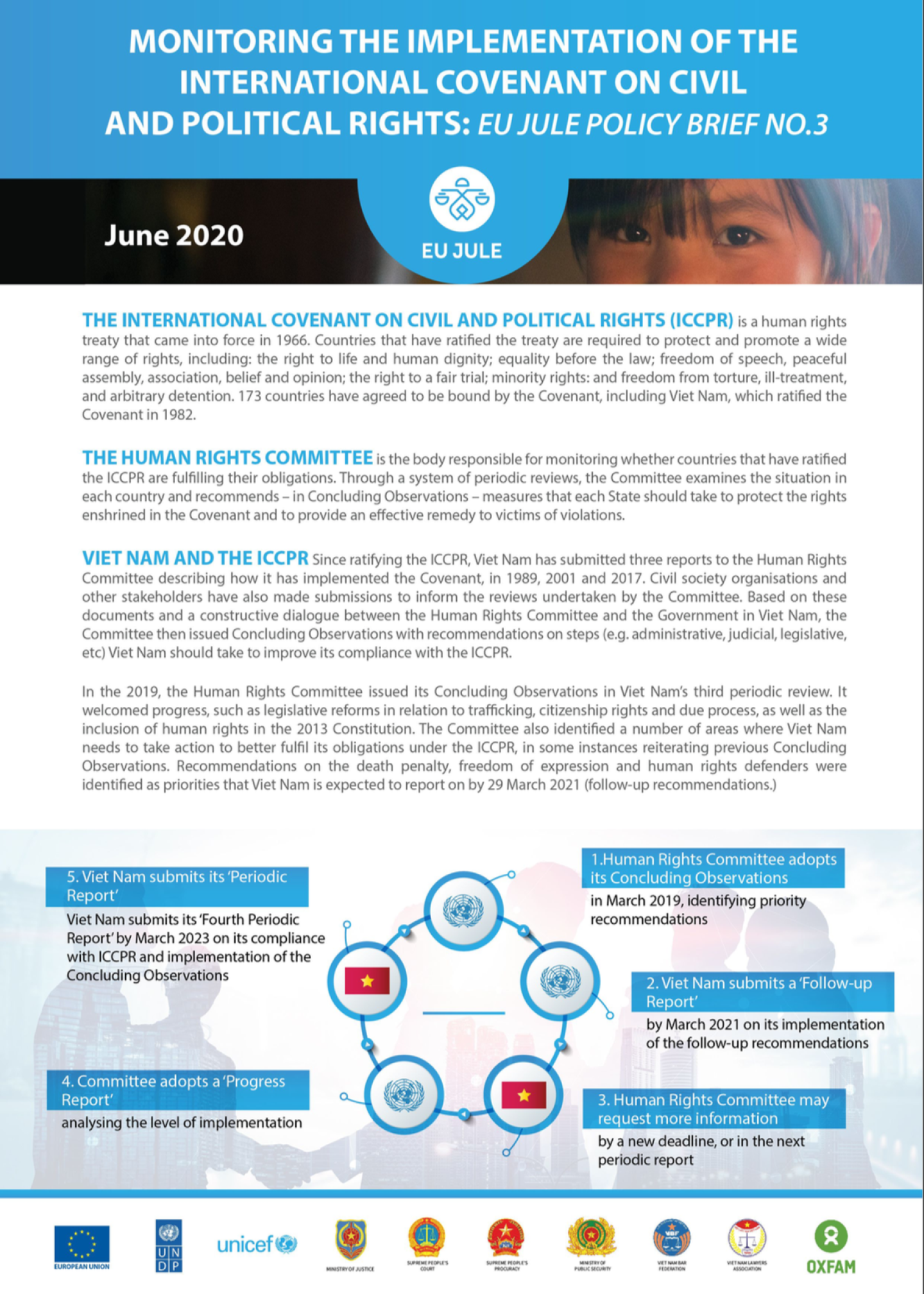
The Covenant on Civil and Political Rights: Upholding Fundamental Human Rights
The Covenant on Civil and Political Rights, adopted by the United Nations General Assembly in 1966, stands as a cornerstone in the protection and promotion of essential human rights worldwide. This international treaty sets out a range of civil and political rights that are inherent to all individuals, regardless of their nationality, ethnicity, or background.
At its core, the Covenant recognises the inherent dignity and worth of every person and emphasises the importance of safeguarding their fundamental freedoms. From the right to life and liberty to the freedom of expression and assembly, these rights form the bedrock of a just and equitable society.
One of the key principles enshrined in the Covenant is non-discrimination. It prohibits any form of discrimination based on race, gender, religion, or other grounds, ensuring that all individuals are treated with equality before the law. By upholding this principle, states commit to creating a more inclusive and tolerant society where diversity is celebrated rather than denigrated.
Moreover, the Covenant places a strong emphasis on protecting individuals from arbitrary detention or imprisonment. It establishes safeguards to prevent torture or cruel treatment and guarantees fair trial procedures for those accused of crimes. By doing so, it upholds the rule of law and ensures that justice is served in a transparent and accountable manner.
Another crucial aspect of the Covenant is its recognition of freedom of expression and opinion. It affirms that everyone has the right to seek, receive, and impart information through any media without interference. This right not only empowers individuals to express themselves freely but also fosters an environment where diverse viewpoints can be shared openly and respectfully.
In essence, the Covenant on Civil and Political Rights serves as a beacon of hope for all those who strive for a world where human rights are respected and protected. By ratifying this treaty, states demonstrate their commitment to upholding universal values that transcend borders and cultures. As we continue to navigate complex global challenges, it is imperative that we uphold these fundamental rights to ensure a more just and humane world for generations to come.
Understanding the Covenant on Civil and Political Rights: Key Questions and Answers
- What is the Covenant on Civil and Political Rights?
- When was the Covenant on Civil and Political Rights adopted?
- What are civil and political rights as defined in the Covenant?
- How does the Covenant protect individuals from discrimination?
- What safeguards does the Covenant establish against arbitrary detention?
- How does the Covenant ensure fair trial procedures for accused individuals?
- What is the significance of freedom of expression in the Covenant?
- Which countries have ratified the Covenant on Civil and Political Rights?
- How does the Covenant contribute to promoting a just and equitable society?
What is the Covenant on Civil and Political Rights?
The Covenant on Civil and Political Rights is an international treaty established by the United Nations General Assembly in 1966 to protect and uphold fundamental human rights. It outlines a comprehensive set of rights that are essential for the dignity and freedom of individuals worldwide, regardless of their background or nationality. This covenant enshrines key principles such as non-discrimination, the right to life and liberty, freedom of expression, fair trial procedures, and protection against arbitrary detention. By defining and safeguarding these rights, the Covenant on Civil and Political Rights plays a vital role in promoting equality, justice, and respect for human dignity on a global scale.
When was the Covenant on Civil and Political Rights adopted?
The Covenant on Civil and Political Rights was adopted by the United Nations General Assembly in 1966. This pivotal moment marked a significant step towards the protection and promotion of essential human rights on a global scale. By establishing a framework for safeguarding civil and political liberties, the Covenant underscores the universal importance of upholding these fundamental rights for all individuals, regardless of nationality or background.
What are civil and political rights as defined in the Covenant?
Civil and political rights, as defined in the Covenant on Civil and Political Rights, encompass a wide range of fundamental freedoms and protections that are essential for the dignity and autonomy of every individual. These rights include the right to life, liberty, and security of person; freedom of thought, conscience, and religion; freedom of expression; the right to peaceful assembly and association; and the right to participate in public affairs. By guaranteeing these rights, the Covenant aims to ensure that individuals are able to live with dignity, equality, and respect for their inherent human worth. It sets out a framework that obliges states to uphold these rights and create a society where justice, fairness, and accountability form the pillars of governance.
How does the Covenant protect individuals from discrimination?
The Covenant on Civil and Political Rights provides robust protection against discrimination by establishing a comprehensive framework that prohibits any form of discrimination based on race, gender, religion, or other grounds. By enshrining the principle of non-discrimination, the Covenant ensures that all individuals are treated equally before the law and are entitled to the same rights and freedoms without any unjust distinctions. This commitment to non-discrimination extends to all aspects of civil and political life, including access to justice, employment opportunities, and participation in public affairs. Through its provisions, the Covenant serves as a powerful tool in safeguarding the rights of individuals from discriminatory practices and promoting a society where diversity is embraced and respected.
What safeguards does the Covenant establish against arbitrary detention?
The Covenant on Civil and Political Rights establishes robust safeguards against arbitrary detention to protect individuals’ rights and ensure due process. One of the key provisions is the requirement that no one shall be subjected to arbitrary arrest or detention, emphasising the importance of lawful procedures in depriving someone of their liberty. The Covenant mandates that anyone arrested must be promptly informed of the reasons for their arrest and any charges against them. Additionally, individuals have the right to challenge the lawfulness of their detention before a court and to be brought to trial without undue delay. These safeguards aim to prevent abuses of power, uphold the rule of law, and safeguard individuals’ fundamental rights to liberty and fair treatment under the legal system.
How does the Covenant ensure fair trial procedures for accused individuals?
The Covenant on Civil and Political Rights ensures fair trial procedures for accused individuals through a set of comprehensive safeguards designed to uphold the principles of justice and due process. One key aspect is the right to be promptly informed of the charges against them, allowing individuals to prepare a defence and understand the allegations they face. Additionally, the Covenant guarantees the right to a public hearing before an impartial tribunal, where both parties have the opportunity to present their case and evidence. Furthermore, it prohibits arbitrary detention and ensures that individuals are promptly brought before a judge or judicial officer to review the lawfulness of their detention. By establishing these safeguards, the Covenant aims to protect the rights of accused individuals and uphold the fundamental principle that everyone is entitled to a fair trial, free from coercion or discrimination.
What is the significance of freedom of expression in the Covenant?
The significance of freedom of expression in the Covenant on Civil and Political Rights cannot be overstated. This fundamental right plays a pivotal role in upholding democratic principles and fostering a vibrant and inclusive society. By enshrining the right to seek, receive, and impart information without interference, the Covenant empowers individuals to express their opinions, share ideas, and engage in public discourse freely. Freedom of expression not only safeguards individual autonomy and creativity but also serves as a cornerstone for accountability, transparency, and the exchange of diverse viewpoints. It enables citizens to participate actively in public life, challenge authority, and hold governments accountable for their actions. Ultimately, freedom of expression underpins a democratic society where dialogue, debate, and dissent are valued as essential components of a thriving democracy.
Which countries have ratified the Covenant on Civil and Political Rights?
The Covenant on Civil and Political Rights, a pivotal international treaty aimed at safeguarding fundamental human rights, has been ratified by a significant number of countries around the world. As of [insert latest data], [number] countries have ratified the Covenant, demonstrating their commitment to upholding the principles of civil liberties and political rights outlined in the treaty. These ratifying countries span diverse regions and backgrounds, reflecting a global consensus on the importance of protecting individual freedoms and ensuring equality before the law. Ratification of the Covenant signifies a nation’s dedication to promoting a just and inclusive society where human rights are respected and upheld for all individuals, regardless of their nationality or status.
How does the Covenant contribute to promoting a just and equitable society?
The Covenant on Civil and Political Rights plays a pivotal role in promoting a just and equitable society by establishing a framework that upholds fundamental human rights for all individuals. By recognising the inherent dignity and worth of every person, the Covenant sets clear standards for non-discrimination, ensuring that all individuals are treated equally before the law. Through its provisions safeguarding against arbitrary detention, torture, and ensuring fair trial procedures, the Covenant reinforces the rule of law and accountability within societies. Furthermore, by guaranteeing freedom of expression and opinion, the Covenant fosters an environment where diverse perspectives can be shared openly, contributing to a more inclusive and tolerant society where dialogue and mutual understanding thrive. Overall, the Covenant on Civil and Political Rights serves as a guiding light in creating a world where justice, equality, and respect for human rights form the foundation of a truly just and equitable society.