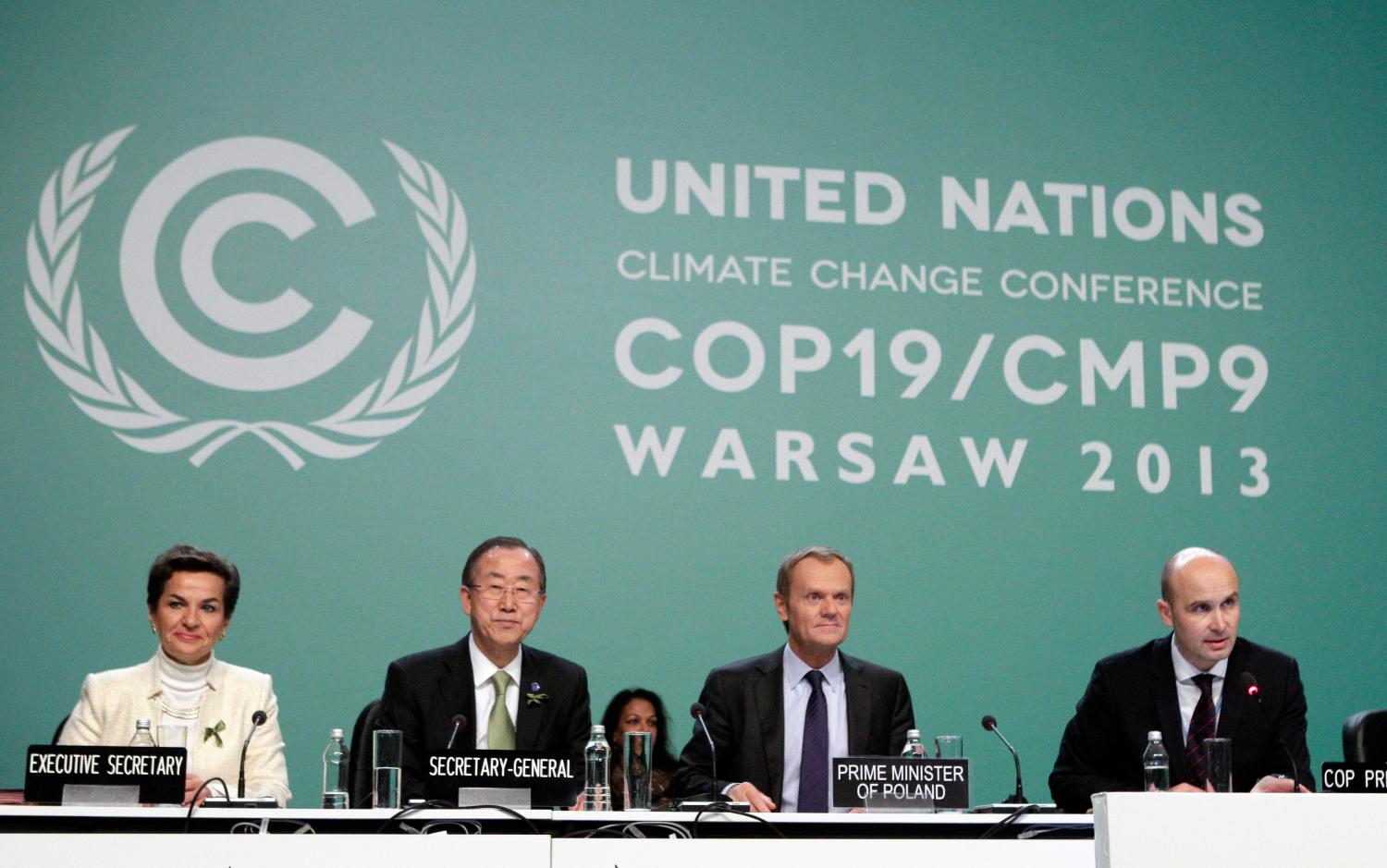
The United Nations Convention on Climate Change: A Global Effort Towards Sustainability
The United Nations Convention on Climate Change (UNFCCC) stands as a beacon of hope in the face of one of the most pressing challenges of our time. Established in 1992, this international treaty aims to combat climate change and its impacts through collective action and cooperation among nations.
At the heart of the UNFCCC is the principle of common but differentiated responsibilities, recognising that while all countries share the responsibility to address climate change, developed nations should take the lead due to their historical contributions to greenhouse gas emissions.
One of the key milestones under the UNFCCC is the adoption of the Paris Agreement in 2015, where nearly 200 countries committed to limiting global warming to well below 2 degrees Celsius above pre-industrial levels. This landmark agreement underscores the urgent need for global solidarity and decisive action to safeguard our planet for future generations.
Through annual Conferences of Parties (COP), member states come together to review progress, negotiate agreements, and set ambitious targets to reduce greenhouse gas emissions. These gatherings serve as platforms for dialogue, innovation, and collaboration towards a sustainable future.
As we witness unprecedented changes in our climate with rising temperatures, extreme weather events, and melting ice caps, the importance of international cooperation under the UNFCCC cannot be overstated. It is a testament to humanity’s collective resolve to address a shared challenge that transcends borders and ideologies.
While significant strides have been made in advancing renewable energy, promoting sustainable practices, and raising awareness about climate change, much remains to be done. The UNFCCC continues to play a crucial role in catalysing global efforts towards climate resilience and adaptation.
As individuals, communities, businesses, and governments alike grapple with the impacts of a changing climate, it is imperative that we stand united under the banner of the UNFCCC. Together, we can forge a path towards a more sustainable future for all living beings on Earth.
Seven Essential Tips for Engaging with the United Nations Convention on Climate Change
- Stay informed about the latest updates and developments regarding the United Nations Convention on Climate Change.
- Reduce your carbon footprint by using public transportation, cycling, or walking whenever possible.
- Support initiatives that promote renewable energy sources such as solar or wind power.
- Advocate for policies that aim to reduce greenhouse gas emissions and combat climate change on a global scale.
- Educate yourself and others about the importance of preserving our environment for future generations.
- Get involved in local community projects focused on sustainability and environmental conservation.
- Encourage businesses and governments to adopt eco-friendly practices and sustainable policies.
Stay informed about the latest updates and developments regarding the United Nations Convention on Climate Change.
It is crucial to stay informed about the latest updates and developments regarding the United Nations Convention on Climate Change. By keeping abreast of new information, reports, and initiatives under the UNFCCC, individuals can better understand the global efforts being made to address climate change. Being informed allows us to engage in meaningful discussions, advocate for sustainable policies, and take action in our own communities to contribute towards a more environmentally conscious future. Stay updated to stay empowered in the fight against climate change.
Reduce your carbon footprint by using public transportation, cycling, or walking whenever possible.
Reducing your carbon footprint is a tangible way to contribute to the goals of the United Nations Convention on Climate Change. By opting for public transportation, cycling, or walking whenever feasible, individuals can significantly decrease their greenhouse gas emissions and lessen the strain on the environment. Embracing sustainable modes of travel not only helps combat climate change but also promotes healthier lifestyles and reduces air pollution in our communities. Making conscious choices in how we move about can have a positive impact on both our planet and future generations.
Support initiatives that promote renewable energy sources such as solar or wind power.
Supporting initiatives that promote renewable energy sources such as solar or wind power is a crucial step towards combating climate change and transitioning to a sustainable future. By investing in clean and renewable energy technologies, we can reduce our reliance on fossil fuels, decrease greenhouse gas emissions, and mitigate the impacts of global warming. Embracing solar and wind power not only helps to protect the environment but also creates opportunities for innovation, job creation, and energy independence. By advocating for and utilising renewable energy sources, we can contribute to a cleaner, greener planet for generations to come.
Advocate for policies that aim to reduce greenhouse gas emissions and combat climate change on a global scale.
Advocating for policies that target the reduction of greenhouse gas emissions and address climate change on a global scale is paramount in our collective efforts to preserve the health of our planet. By championing initiatives that promote sustainability, renewable energy sources, and carbon-neutral practices, we can contribute towards mitigating the impacts of climate change and fostering a more environmentally conscious society. Through active advocacy and support for policy measures that prioritise environmental protection, we can make meaningful strides towards a greener, more sustainable future for generations to come.
Educate yourself and others about the importance of preserving our environment for future generations.
It is crucial to educate oneself and others about the critical significance of preserving our environment for the well-being of future generations. By raising awareness about the impact of climate change and the urgent need for sustainable practices, we can empower individuals and communities to take meaningful action towards safeguarding our planet. Through education and advocacy, we can inspire a collective commitment to environmental conservation and foster a sense of responsibility towards creating a more sustainable world for generations to come.
Get involved in local community projects focused on sustainability and environmental conservation.
Engaging in local community projects centred on sustainability and environmental conservation is a powerful way to contribute to the goals of the United Nations Convention on Climate Change. By getting involved in initiatives that promote eco-friendly practices, such as tree planting drives, waste reduction campaigns, or renewable energy projects, individuals can make a tangible impact at the grassroots level. These efforts not only help mitigate the effects of climate change but also foster a sense of collective responsibility and environmental stewardship within communities. Joining hands with like-minded individuals in local sustainability projects is a meaningful step towards building a more resilient and sustainable future for our planet.
Encourage businesses and governments to adopt eco-friendly practices and sustainable policies.
Encouraging businesses and governments to embrace eco-friendly practices and implement sustainable policies is a crucial step towards addressing the challenges of climate change. By promoting the adoption of environmentally responsible initiatives, such as reducing carbon emissions, conserving natural resources, and investing in renewable energy sources, we can significantly mitigate the impact of global warming on our planet. Through collective efforts to prioritise sustainability in decision-making processes, we can pave the way for a greener future and demonstrate our commitment to preserving the health of our environment for generations to come.