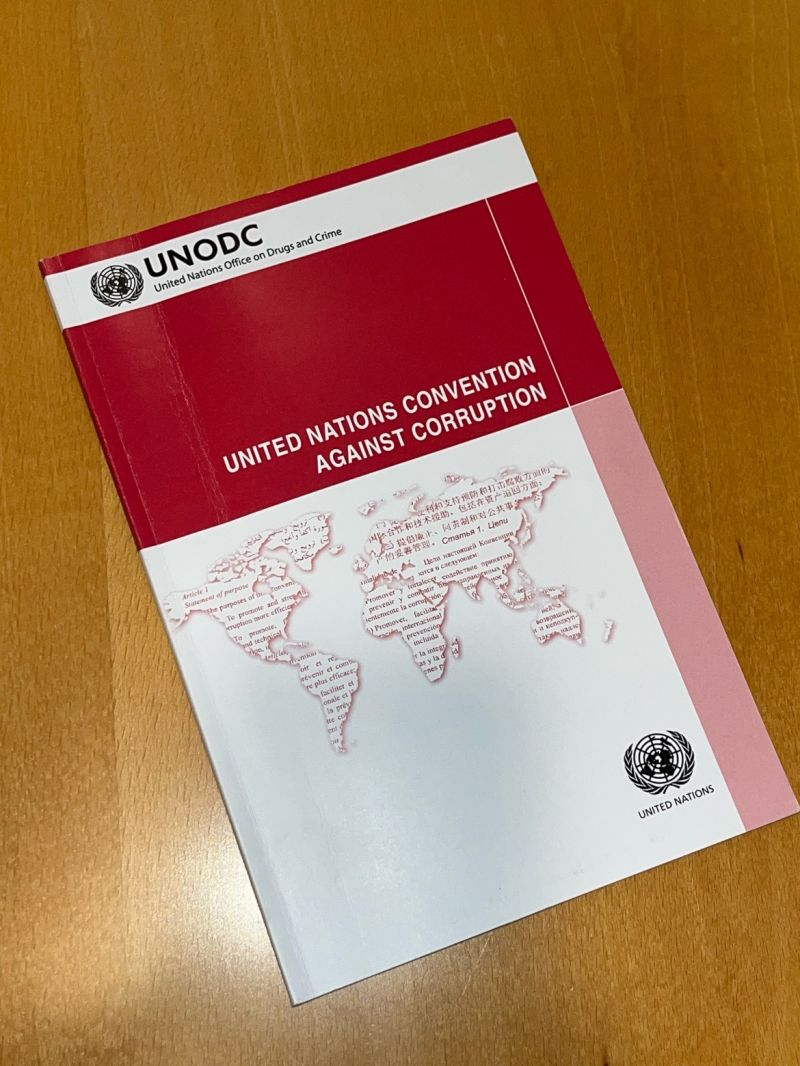
The United Nations Convention on Corruption: A Global Effort Towards Transparency and Accountability
The United Nations Convention against Corruption (UNCAC) is a landmark international treaty aimed at combating corruption in both the public and private sectors. Adopted by the United Nations General Assembly in 2003, the convention represents a collective commitment by countries around the world to promote transparency, accountability, and integrity in governance.
Key Objectives of the UNCAC:
- Promote measures to prevent corruption within public and private sectors.
- Strengthen international cooperation in investigating and prosecuting corruption cases.
- Enhance asset recovery mechanisms to repatriate stolen assets to their rightful owners.
- Foster transparency and accountability in financial systems to prevent money laundering and illicit financial flows.
- Promote integrity, ethics, and good governance practices at all levels of society.
Implementation Challenges:
While the UNCAC sets out comprehensive guidelines for combating corruption, its effective implementation poses significant challenges. Many countries struggle with weak institutions, lack of resources, and political will to enforce anti-corruption measures. Furthermore, cross-border corruption cases often require complex legal frameworks and international cooperation agreements.
The Role of Civil Society:
Civil society organisations play a crucial role in monitoring government compliance with the UNCAC provisions. By advocating for transparency, engaging in anti-corruption initiatives, and raising awareness among citizens, civil society can hold governments accountable for their commitments under the convention.
Conclusion:
The United Nations Convention against Corruption stands as a beacon of hope in the global fight against this pervasive societal ill. By promoting ethical standards, fostering cooperation between nations, and empowering civil society actors, the UNCAC paves the way for a more just and accountable world where corruption has no place.
Key Questions on the United Nations Convention Against Corruption: Signatories, Legal Binding, Overview, Declarations, and Formation Year
- Who signed the United Nations Convention against Corruption?
- Is the UNODC legally binding?
- What is the UNCAC in a nutshell?
- What is the Declaration of UN on corruption?
- In which year was the UN Convention Against Corruption formed?
Who signed the United Nations Convention against Corruption?
The United Nations Convention against Corruption, a pivotal international treaty in the fight against corrupt practices, was signed by a multitude of countries around the world. Since its adoption by the United Nations General Assembly in 2003, numerous nations have pledged their commitment to combatting corruption by becoming signatories to this crucial convention. The broad support for this treaty underscores the global recognition of the need for concerted efforts to promote transparency, integrity, and accountability in both public and private sectors across borders.
Is the UNODC legally binding?
The United Nations Office on Drugs and Crime (UNODC) operates as the primary entity responsible for implementing the United Nations Convention against Corruption (UNCAC). While the UNODC plays a vital role in providing technical assistance, facilitating cooperation, and monitoring compliance with the UNCAC, it is important to note that the UNODC itself is not a legally binding entity. Instead, the UNCAC serves as the legally binding treaty that sets out the obligations and commitments of countries in combating corruption at both national and international levels. The UNODC’s mandate lies in supporting member states in fulfilling their obligations under the UNCAC rather than imposing legal obligations itself.
What is the UNCAC in a nutshell?
The United Nations Convention against Corruption (UNCAC) is a comprehensive international treaty that aims to combat corruption across public and private sectors worldwide. In essence, the UNCAC sets out guidelines and measures to prevent corruption, enhance transparency, promote integrity, and facilitate cooperation in investigating and prosecuting corruption cases. By fostering accountability and ethical governance practices, the UNCAC seeks to address the pervasive issue of corruption and its detrimental impact on societies.
What is the Declaration of UN on corruption?
The United Nations Declaration against Corruption is a pivotal document that underscores the commitment of member states to combat the scourge of corruption on a global scale. This declaration serves as a foundational framework for promoting transparency, accountability, and integrity in both public and private sectors. It outlines key principles and values that guide efforts to prevent and address corruption, emphasising the importance of international cooperation, asset recovery, and ethical governance practices. By upholding the principles enshrined in the UN Declaration against Corruption, countries strive to create a more just and equitable world where corrupt practices are deterred and perpetrators are held accountable for their actions.
In which year was the UN Convention Against Corruption formed?
The United Nations Convention Against Corruption, commonly known as UNCAC, was formed in the year 2003. This significant international treaty represents a pivotal moment in the global efforts to combat corruption by promoting transparency, accountability, and integrity in both public and private sectors worldwide. The adoption of UNCAC marked a collective commitment by countries to work together towards eradicating corruption and fostering good governance practices on a global scale.