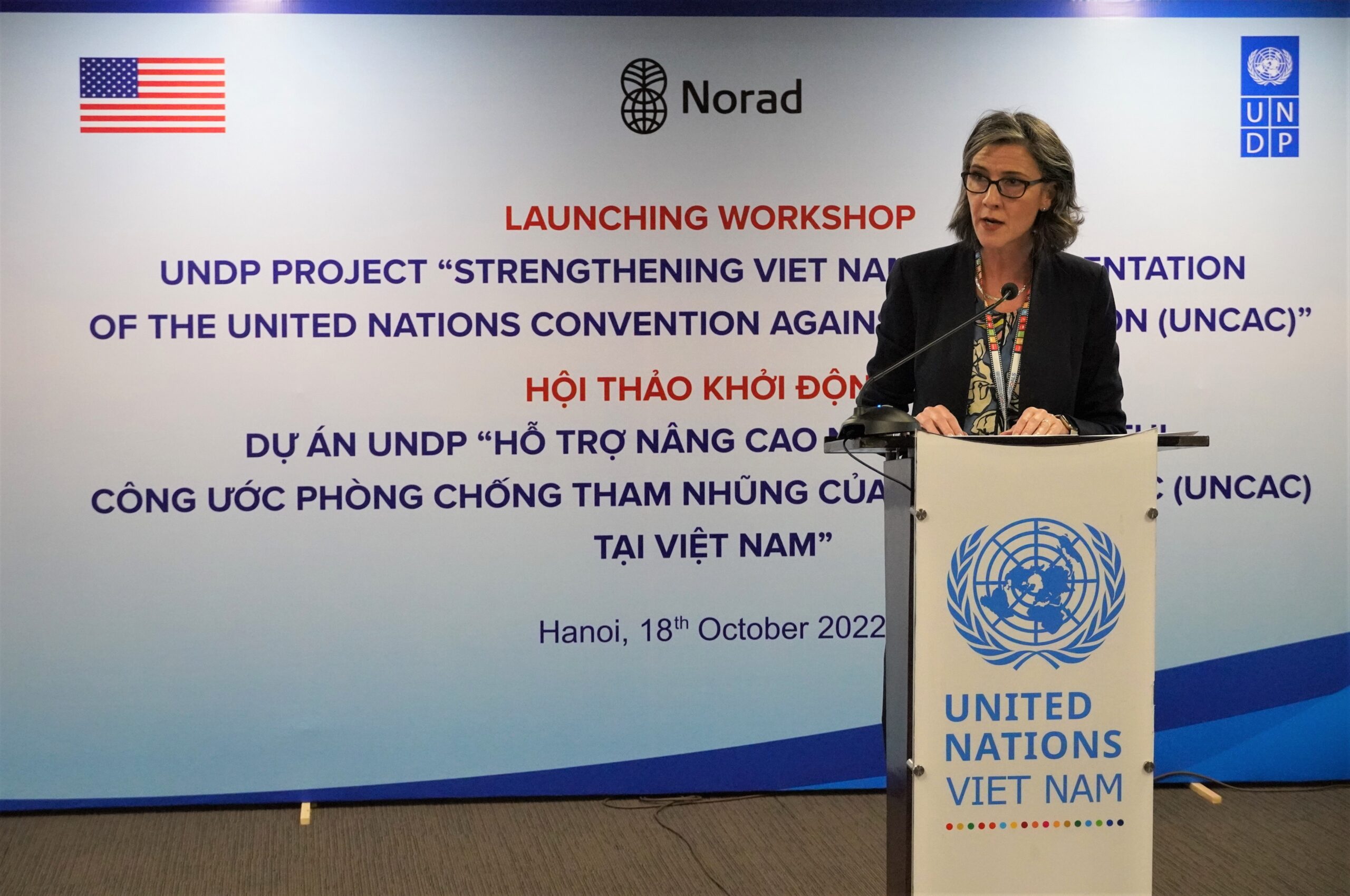
The United Nations Anti-Corruption Convention: A Global Effort Against Corruption
Corruption poses a significant threat to the stability and development of nations worldwide. In recognition of this challenge, the United Nations adopted the United Nations Convention against Corruption (UNCAC) in 2003, marking a crucial step towards promoting transparency, accountability, and integrity in both public and private sectors.
Key Objectives of the UNCAC
The UNCAC aims to combat corruption through a comprehensive set of measures that include:
- Promoting international cooperation in preventing and combating corruption
- Enhancing measures to prevent money laundering and asset recovery
- Promoting integrity, accountability, and proper management of public affairs and public property
- Preventing corruption in the private sector
- Strengthening anti-corruption mechanisms and institutions at national and international levels
Global Impact of the UNCAC
Since its adoption, the UNCAC has been ratified by a large number of countries, demonstrating a global commitment to fighting corruption. By establishing common standards and facilitating international cooperation, the convention has played a crucial role in strengthening anti-corruption efforts across borders.
Challenges and Opportunities
While progress has been made in implementing the provisions of the UNCAC, challenges persist. These include issues related to enforcement, political will, and capacity building. However, with continued commitment from governments, civil society organisations, and other stakeholders, there are opportunities to further enhance anti-corruption measures on a global scale.
Conclusion
The United Nations Anti-Corruption Convention stands as a testament to the collective determination to combat corruption and promote good governance worldwide. By upholding its principles and fostering cooperation among nations, we can work towards a more transparent, accountable, and equitable future for all.
Understanding the United Nations Convention Against Corruption: Key Questions Answered
- What is the United Nations Convention on anti-corruption?
- What is the United Nations Convention against Corruption?
- Is UNCAC legally binding?
- What is the UNCAC in a nutshell?
- Who signed the United Nations Convention against Corruption?
- Has India ratified UNCAC?
- What is the United Nations Convention against Corruption of October 31 2003?
What is the United Nations Convention on anti-corruption?
The United Nations Convention on anti-corruption, also known as the UNCAC, is a pivotal international agreement established in 2003 to address the pervasive issue of corruption across the globe. This convention sets out a comprehensive framework aimed at promoting integrity, transparency, and accountability in both public and private sectors. By fostering collaboration between countries and strengthening anti-corruption measures, the UNCAC plays a crucial role in combating corrupt practices and promoting good governance on a global scale. It outlines standards for preventing corruption, enhancing law enforcement cooperation, and facilitating asset recovery, reflecting a shared commitment to upholding ethical standards and combating illicit activities that undermine societal trust and economic development.
What is the United Nations Convention against Corruption?
The United Nations Convention against Corruption (UNCAC) is a pivotal international agreement established in 2003 to address the pervasive issue of corruption on a global scale. This convention sets out a comprehensive framework aimed at promoting integrity, transparency, and accountability in both public and private sectors. By fostering cooperation among nations and implementing measures to prevent corruption, the UNCAC plays a crucial role in combating illicit practices that undermine the rule of law and hinder sustainable development efforts worldwide.
Is UNCAC legally binding?
The United Nations Convention against Corruption (UNCAC) is indeed legally binding. Adopted in 2003, the UNCAC sets out a comprehensive framework for combating corruption on a global scale. As a legally binding international treaty, countries that have ratified the convention are obligated to implement its provisions into their domestic laws and policies. This ensures that signatory states uphold the principles of transparency, accountability, and integrity in both public and private sectors, demonstrating a strong commitment to fighting corruption at all levels.
What is the UNCAC in a nutshell?
The United Nations Convention against Corruption (UNCAC) is a landmark international treaty aimed at combating corruption across the globe. In essence, the UNCAC sets out a comprehensive framework to promote integrity, transparency, and accountability in both public and private sectors. It establishes measures to prevent corruption, enhance international cooperation in law enforcement, and facilitate asset recovery. By fostering a culture of anti-corruption practices and encouraging collaboration among countries, the UNCAC serves as a vital tool in the fight against this pervasive threat to sustainable development and good governance.
Who signed the United Nations Convention against Corruption?
The United Nations Convention against Corruption (UNCAC) has been signed by a significant number of countries worldwide. As of now, 187 countries are signatories to the convention, demonstrating a broad international commitment to combatting corruption and promoting transparency and accountability. By signing the UNCAC, countries pledge to adhere to its principles and work towards implementing measures that prevent and prosecute corruption in both public and private sectors. The diverse participation in this convention underscores the global recognition of the importance of addressing corruption as a fundamental issue that affects societies at large.
Has India ratified UNCAC?
The United Nations Convention against Corruption (UNCAC) is a crucial international instrument aimed at combating corruption on a global scale. One frequently asked question pertains to India’s ratification of the UNCAC. India signed the UNCAC in 2005 and ratified it in 2011, demonstrating its commitment to addressing corruption and promoting transparency and accountability within its borders. By becoming a party to the convention, India has pledged to implement measures that align with the UNCAC’s objectives, contributing to the collective effort to fight corruption both nationally and internationally.
What is the United Nations Convention against Corruption of October 31 2003?
The United Nations Convention against Corruption, adopted on October 31, 2003, is a landmark international agreement aimed at addressing the pervasive issue of corruption across the globe. This convention sets out a comprehensive framework to combat corruption through measures such as promoting transparency, preventing money laundering, and enhancing accountability in public and private sectors. By fostering international cooperation and establishing common standards, the UNCAC serves as a vital tool in the fight against corruption, encouraging integrity and good governance practices on a global scale.