Photography Framed Prints: A Timeless Way to Display Your Favourite Images
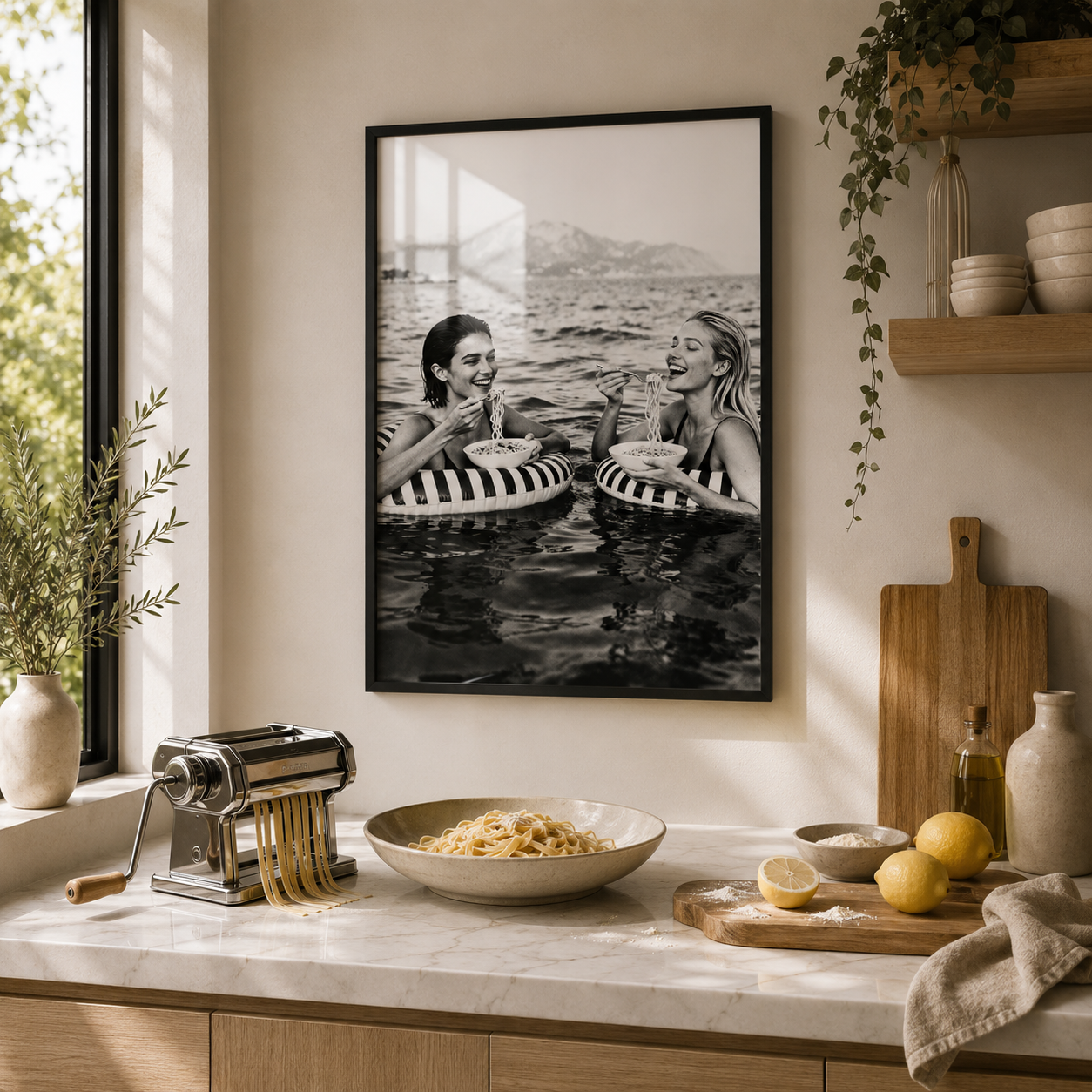
A photograph can capture a moment, place or feeling that you want to revisit every day. Turning that image into a framed print gives it a lasting presence in your home. Whether it is a favourite family portrait, a landscape from a memorable trip or a striking piece of photographic art, the right print and frame can make it a focal point in any room.
Why choose a framed photographic print?
A framed print is ready to display and helps give a photograph a considered, finished look. The frame can complement the image, suit the room’s decor and create a visual boundary between the artwork and its surroundings. It may also help protect the print from everyday handling and dust.
Framed photography works in a range of spaces, from hallways and living rooms to bedrooms and offices. A single large image can make a statement, while a collection of smaller prints can tell a story or bring together different subjects and styles.
Choosing the right photograph
Start with an image you will enjoy looking at over time. Consider how its subject, colours and mood will work in the room where you plan to hang it. A calm coastal scene might suit a bedroom, while a bold architectural photograph could add interest to a living space or study.
Image quality matters, particularly for larger prints. A high-resolution photograph is generally better suited to enlargement, as it is more likely to retain detail and appear sharp. Before ordering, check the print dimensions and how the image will be cropped. A change in aspect ratio can cut off important parts of the photograph.
Selecting a frame and mount
The frame should support the image without distracting from it. Simple black, white and natural wood frames are versatile choices, while a more distinctive finish can add character when it complements the photograph and the room.
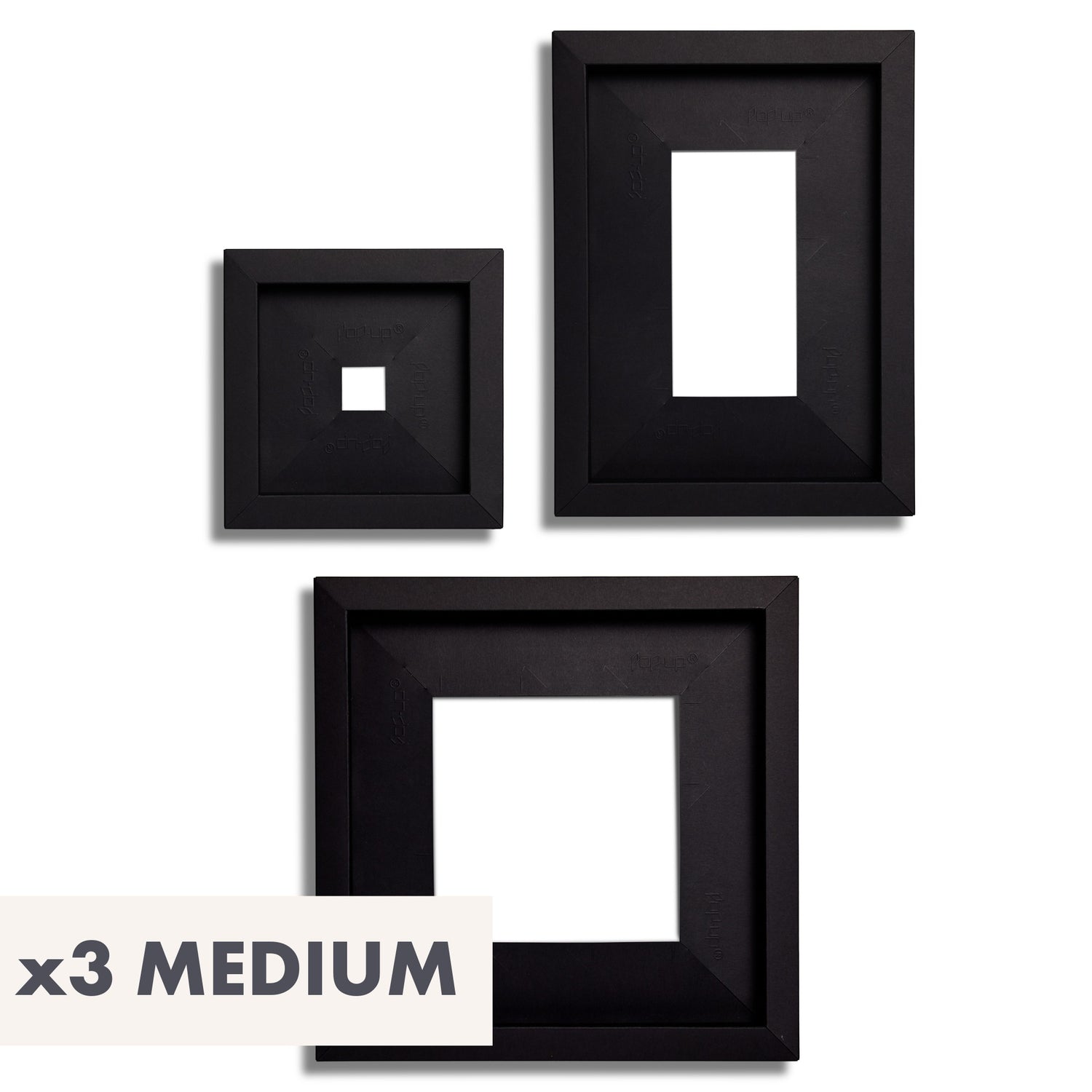
A mount—the border between the image and the frame—can give a print extra breathing space. It is especially useful for portraits, fine-art photography and images with delicate details. A mount can also help separate the print from the glazing. For a clean, contemporary look, you might prefer a print that fills the frame instead.
Think about proportion as well as colour. A narrow frame can feel understated, whereas a wider one may give a small photograph greater presence. If you are creating a gallery wall, using consistent frames or mounts can help the collection feel cohesive, even when the photographs vary.
Planning a display
Before hanging your framed prints, try arranging them on the floor or cut paper templates to the same sizes and place these on the wall. This makes it easier to compare layouts and spacing before committing to a position.
For a gallery wall, you can use a symmetrical grid for a tidy, structured effect, or vary the sizes and spacing for a more relaxed arrangement. Keep the overall grouping in proportion to the furniture and wall around it. In a hallway or above a sofa, aligning the centre of the arrangement with the space can help it feel balanced.
Caring for framed prints
Direct sunlight can cause some photographs to fade over time, so choose a position away from strong, prolonged sunlight where possible. Avoid placing prints in areas with excessive moisture or sudden changes in temperature. To clean a frame, use a soft cloth and follow the care guidance for its materials; avoid spraying cleaning products directly onto the glazing.
For valuable or especially meaningful photographs, consider framing options designed to offer added protection, such as suitable archival materials and UV-filtering glazing. The best choice will depend on the print, where it will be displayed and how long you hope to preserve it.
A personal finishing touch
Photography framed prints bring personal stories and visual interest into a home. With thoughtful choices about the image, print size, frame and placement, you can create a display that feels right for your space—and one you will be glad to see every day.
Framed Photographic Prints: Your Top 8 Questions Answered
- What size should I choose for a framed photographic print?
- How do I choose the right frame for a photographic print?
- Should I choose a mount for my framed print?
- What is the best way to hang framed photographic prints?
- How can I arrange framed prints to create a gallery wall?
- How do I protect framed photographs from fading?
- What is the difference between a photographic print and a canvas print?
- How should I clean and care for framed photographic prints?
What size should I choose for a framed photographic print?
Choose a framed print size that suits both the photograph and the space where you plan to display it. A small print works well on a shelf or as part of a gallery wall, while a larger one can make a striking feature above a sofa or bed. Measure the wall and consider nearby furniture, then check the print’s dimensions—including whether the frame and mount are included—before ordering. For a balanced look, make sure the image’s shape and resolution suit the chosen size, and allow enough space around the frame.
How do I choose the right frame for a photographic print?
Choose a frame that complements both the photograph and the room without drawing attention away from the image. Simple black, white or natural wood frames suit many styles, while a mount can add breathing space and help the photograph stand out. Consider the print’s colours, subject and size, as well as where it will be displayed; for valuable prints, suitable glazing and archival-quality materials can offer extra protection.
Should I choose a mount for my framed print?
A mount is a border between the photograph and the frame, and it can give your print extra breathing space while drawing attention to the image. It’s a good choice for portraits, fine-art photographs or smaller prints, and can help create a classic, gallery-style finish. For a clean, contemporary look, or if you want the image to fill the frame, you may prefer to leave the mount out. Consider the proportions of the photograph and frame, as well as the style of the room, when deciding.
What is the best way to hang framed photographic prints?
The best way to hang framed photographic prints is to choose a spot away from direct sunlight and damp or humid areas, which can cause fading or damage over time. Position the print at eye level—roughly with its centre 145–150 cm from the floor—or adjust this to suit the room and furniture. Use picture hooks or wall fixings suited to the frame’s weight and your wall type, and check that the print is level before securing it. For heavier frames, use two fixings to keep the picture stable.
How can I arrange framed prints to create a gallery wall?
To create a gallery wall, start by choosing prints that share a colour palette, subject or style, then lay them out on the floor to test different arrangements. Mix sizes for a relaxed look or use matching frames and even spacing for a more ordered display. Cut paper templates to match each frame and try them on the wall before hanging, keeping the overall arrangement balanced with the furniture and space around it.
How do I protect framed photographs from fading?
To help prevent framed photographs from fading, hang them away from direct sunlight and strong artificial light, which can gradually damage the image. Choose UV-filtering glazing and acid-free, archival-quality backing where possible, and avoid displaying prints in damp or very warm places. Even with these precautions, photographs can fade over time, so keeping especially treasured prints in a darker, stable environment offers the best protection.
What is the difference between a photographic print and a canvas print?
A photographic print is produced on paper, giving images crisp detail, rich colour and a smooth finish; it is usually displayed behind glass or acrylic in a frame. A canvas print is printed onto textured fabric stretched over a frame, creating a softer, more painterly look with no glazing required. Photographic prints are often chosen for fine detail and a classic framed appearance, while canvas prints offer a more relaxed, gallery-style finish.
How should I clean and care for framed photographic prints?
To care for framed photographic prints, dust the frame and glazing regularly with a soft, dry, lint-free cloth; avoid spraying cleaners directly onto the surface, as liquid can seep inside and damage the print. Keep the artwork out of prolonged direct sunlight and away from damp, heat sources and sudden temperature changes to help prevent fading or warping. If the glazing needs more than dusting, follow the framer’s care advice and use a suitable cleaner sparingly on the cloth, not the frame.