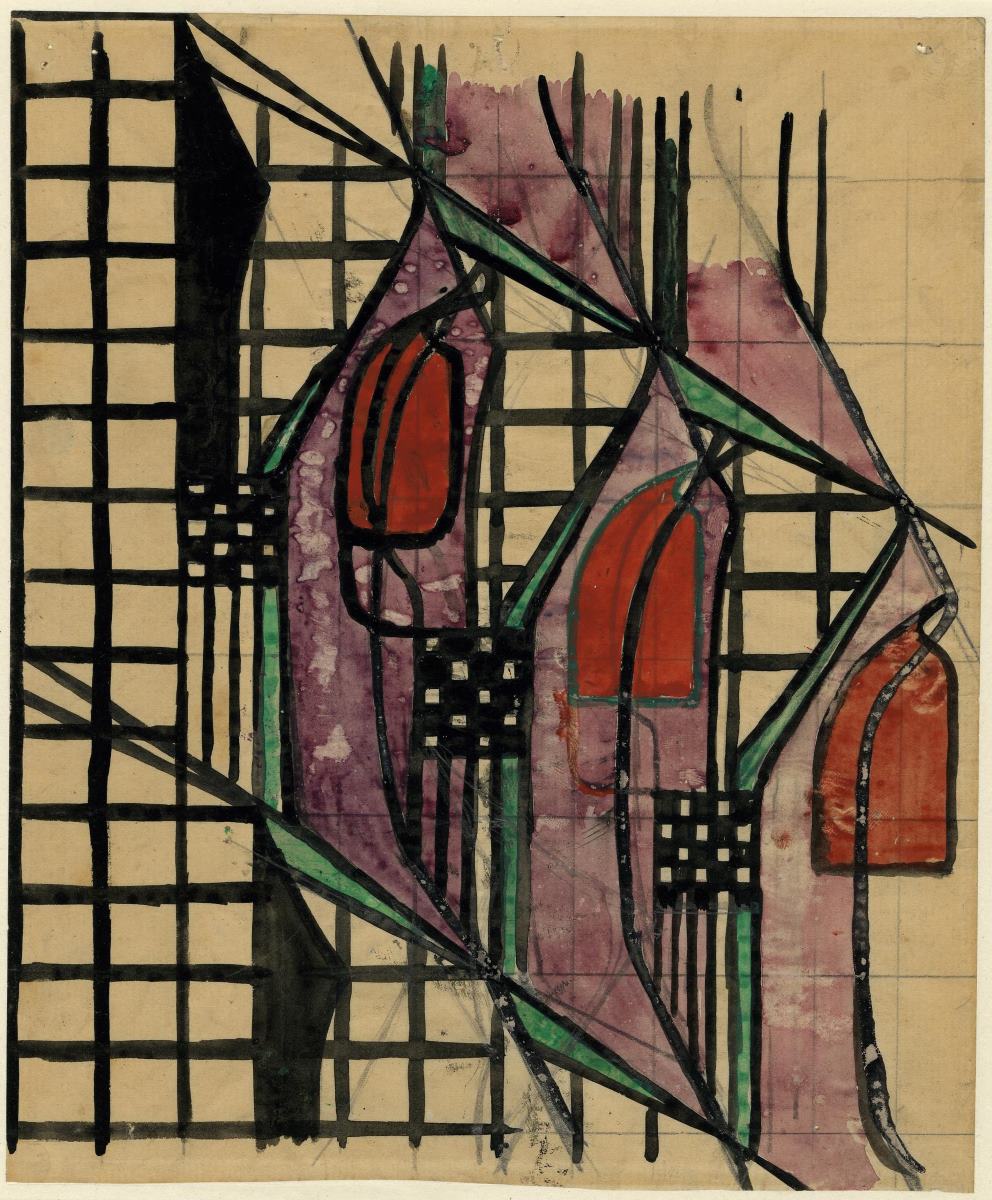
Rennie Mackintosh Prints: A Guide to the Glasgow Style
Rennie Mackintosh prints bring the distinctive elegance of the Glasgow Style into homes and creative spaces. Known for graceful lines, stylised flowers and a striking balance of simplicity and ornament, the designs of Charles Rennie Mackintosh remain popular with admirers of art, architecture and interior design.
Who was Charles Rennie Mackintosh?
Charles Rennie Mackintosh (1868–1928) was a Scottish architect, designer and artist associated with the Glasgow School. Working with fellow artists and designers, including his wife Margaret Macdonald Mackintosh, he helped shape a visual style that combined influences from Art Nouveau with geometric forms and a distinctly modern sensibility.
Mackintosh’s work spanned architecture, furniture, interiors, textiles and graphic design. His influence can be seen in the striking buildings he designed in Glasgow, as well as in decorative works created for exhibitions and private commissions.
What makes Rennie Mackintosh prints distinctive?
Many Rennie Mackintosh prints are instantly recognisable for their use of elongated figures, flowing contours and carefully arranged geometric shapes. Floral motifs—particularly stylised roses—are a recurring feature. Rather than depicting flowers in a naturalistic way, Mackintosh and his circle often reduced them to elegant, repeated forms.
The designs frequently combine delicate detail with strong structure. Fine lines and subtle curves may sit alongside squares, grids or tall vertical shapes. This contrast gives the work its characteristic sense of both softness and order.
Popular subjects and designs
Prints associated with Mackintosh can include architectural drawings, interior designs, posters and decorative panels. His work for the Glasgow School of Art is especially well known, while his designs for domestic interiors show how he brought architecture, furniture and ornament together as a unified whole.
Some prints reproduce original works; others draw inspiration from the wider Glasgow Style. When choosing a print, check whether it is a reproduction of a specific Mackintosh design or a contemporary piece influenced by his visual language.
Choosing a print for your home
Rennie Mackintosh prints can work in a variety of settings. A bold architectural image can make a focal point in a living room or study, while a floral design may suit a bedroom, hallway or quieter reading space. Their combination of organic forms and clean geometry also makes them easy to pair with both traditional and modern interiors.
- Consider the scale: Large prints suit open walls, while smaller works can be grouped together.
- Choose a complementary frame: Simple frames often let the design take centre stage. A more decorative frame can work well with traditional interiors.
- Pay attention to colour: Some designs are subtle and restrained; others use stronger contrasts. Choose a palette that feels at home in your room.
- Check the print details: Look for information about the source image, paper, dimensions and printing method.
Displaying and caring for your print
To help preserve a print, avoid placing it in direct sunlight or somewhere exposed to damp or sudden changes in temperature. A suitable mount can keep the image from touching the glazing, and UV-filtering glazing may help reduce fading. For valuable or older prints, consider asking a professional framer for advice on conservation materials.
A lasting influence
Rennie Mackintosh prints appeal to more than collectors of Scottish art and design. Their combination of graceful natural forms, architectural clarity and carefully considered detail continues to feel fresh today. Whether you are drawn to his floral motifs or his striking buildings, a well-chosen print offers a lasting way to enjoy the creativity of the Glasgow Style.
Essential Tips for Selecting and Preserving Charles Rennie Mackintosh Prints
- Check the artist’s name is spelled Charles Rennie Mackintosh.
- Look for clear printing and accurate colours.
- Check the print’s size before buying a frame.
- Use a mount to keep the print from touching the glass.
- Keep prints out of direct sunlight to reduce fading.
- Choose a simple frame to complement Mackintosh’s design.
Check the artist’s name is spelled Charles Rennie Mackintosh.
When buying or researching Rennie Mackintosh prints, check that the artist’s name is spelled correctly: Charles Rennie Mackintosh. The correct spelling can help you find reliable information, identify authentic reproductions and distinguish his work from designs by other artists.
Look for clear printing and accurate colours.
When choosing Rennie Mackintosh prints, look for crisp details and colours that appear faithful to the original design. Clear printing helps preserve the elegance of Mackintosh’s fine lines and delicate patterns, while accurate colours ensure the artwork retains its intended balance and character.
Check the print’s size before buying a frame.
Check the print’s exact dimensions before buying a frame, as sizes can vary between editions and sellers. Remember to allow for any mount you plan to use, and choose a frame that fits both the artwork and the space where you intend to display it.
Use a mount to keep the print from touching the glass.
When framing a Rennie Mackintosh print, use a mount to keep the artwork from touching the glass. This small gap helps prevent moisture from trapping the print against the glazing and reduces the risk of sticking or damage over time.
Keep prints out of direct sunlight to reduce fading.
To help preserve the colours in your Rennie Mackintosh print, display it away from direct sunlight. Prolonged exposure to UV rays can cause colours to fade over time, so choose a spot with indirect light and consider UV-filtering glazing for extra protection.
Choose a simple frame to complement Mackintosh’s design.
Choose a simple frame to complement Mackintosh’s design and let its distinctive lines, shapes and floral details take centre stage. A clean, understated frame can enhance the print without competing with it, while a neutral finish makes it easier to suit a range of interiors.