Rennie Mackintosh Prints: A Guide to the Glasgow Style
Rennie Mackintosh prints bring the distinctive style of Scottish architect and designer Charles Rennie Mackintosh into homes and interiors. Known for elegant lines, geometric forms and stylised natural motifs, his work remains instantly recognisable more than a century after it first appeared.
Who was Charles Rennie Mackintosh?
Charles Rennie Mackintosh (1868–1928) was an architect, designer and artist associated with the Glasgow Style. He worked across architecture, furniture, interiors, metalwork and graphic design, developing a look that combined the clean structure of the Arts and Crafts movement with decorative influences from Art Nouveau.
His artistic work was closely connected with that of his wife, Margaret Macdonald Mackintosh, whose imaginative designs and distinctive use of symbolism helped shape some of their most memorable interiors. Their creative partnership was part of a wider group of artists and designers known as the Glasgow Four.
What makes Mackintosh prints distinctive?
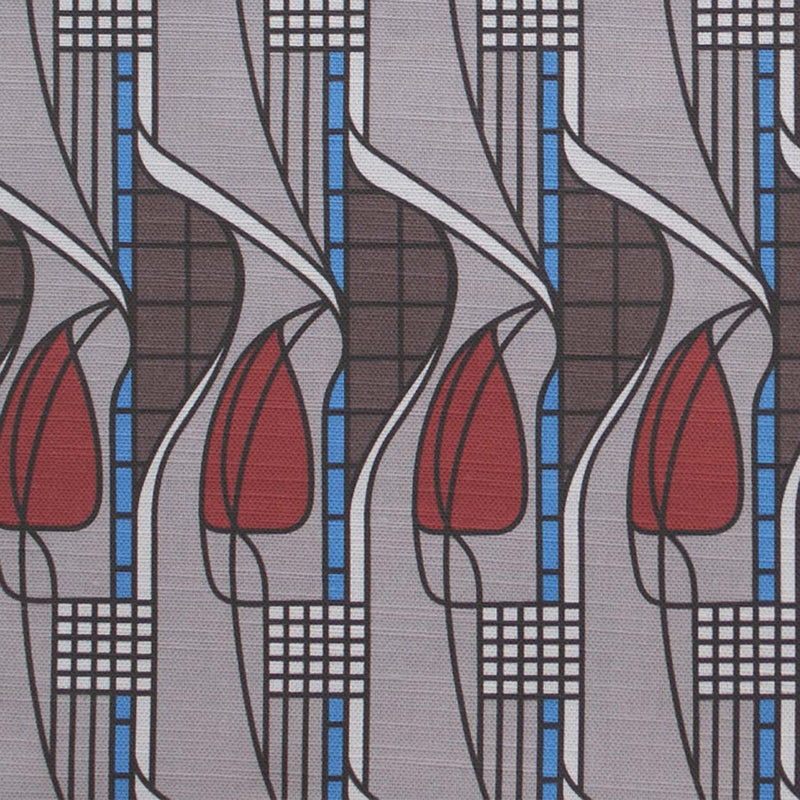
Many prints associated with Mackintosh feature a striking balance between simplicity and ornament. Look for:
- Strong geometry: grids, squares and carefully arranged lines give many designs a sense of order.
- Stylised natural forms: flowers, leaves and other organic shapes are often simplified into elegant patterns.
- Elongated figures: some compositions use slender, vertical figures and flowing outlines.
- Muted colour palettes: soft pinks, greens, purples and greys appear in a number of designs, often set against pale backgrounds.
- Decorative lettering: Mackintosh’s graphic work can combine typography and illustration as part of a unified design.
The result can feel both modern and romantic: structured, but never cold; decorative, without being overly busy.
Types of Rennie Mackintosh prints
Prints inspired by Mackintosh’s work are available in a range of forms. These may include reproductions of posters, drawings, watercolours, architectural designs and details from interiors. Some focus on a complete composition, while others highlight a particular motif, such as a rose, a patterned panel or a stylised figure.
It is useful to check exactly what a listing describes. A print may be a reproduction of an original work, a modern design inspired by Mackintosh, or an image showing one of his architectural interiors. These are different products, even if they share a similar visual style.
How to choose a print
Start by considering the space where the print will hang. A large, detailed design can make a strong focal point, while a smaller print may suit a gallery wall or a compact room. The colours in Mackintosh-inspired work often pair well with neutral walls and natural materials, but a bold frame or contrasting wall colour can create a more contemporary effect.
Before buying, check the print’s dimensions, paper type and framing details. If you want a faithful reproduction, look for information about the source image, printing method and publisher. Reputable sellers should make clear whether the item is an original print, a reproduction or a contemporary piece inspired by Mackintosh.
Displaying and caring for your print
A well-chosen frame can complement the clean lines of a Mackintosh design. Simple black, white or natural wood frames are versatile options; a more decorative frame may suit a traditional interior. If the print is valuable or you want to protect it over time, use a frame with UV-filtering glazing and keep it out of direct sunlight. Avoid hanging it in damp or very humid areas.
A lasting design legacy
Rennie Mackintosh prints appeal to people who appreciate architecture, decorative arts and the history of design. Their combination of structure, symbolism and natural detail makes them easy to recognise, yet versatile enough to work in both traditional and modern interiors. Whether you choose a reproduction of a historic design or a contemporary interpretation, Mackintosh’s distinctive visual language continues to inspire new generations of artists and admirers.
Understanding Rennie Mackintosh Prints: A Guide to Origins, Distinctiveness, and Care
- Who was Charles Rennie Mackintosh?
- What makes Rennie Mackintosh prints distinctive?
- Where can I buy Rennie Mackintosh prints?
- How can I tell whether a Rennie Mackintosh print is an original or a reproduction?
- How much are Rennie Mackintosh prints worth?
- Which Rennie Mackintosh prints are the most popular?
- How should I frame and care for a Rennie Mackintosh print?
Who was Charles Rennie Mackintosh?
Charles Rennie Mackintosh (1868–1928) was a Scottish architect, designer and artist, and one of the leading figures of the Glasgow Style. He created buildings, furniture, interiors and graphic designs, often combining clean geometric forms with delicate natural motifs. His wife and creative collaborator, Margaret Macdonald Mackintosh, also played an important role in shaping their distinctive work, which continues to inspire artists and design enthusiasts today.
What makes Rennie Mackintosh prints distinctive?
Rennie Mackintosh prints are distinctive for their blend of elegant geometry and stylised natural forms. Strong lines, balanced compositions and motifs such as roses and leaves give the designs a recognisable structure, while delicate details and muted colours add warmth. This combination of simplicity and ornament reflects Mackintosh’s influential Glasgow Style and gives his work a timeless appeal.
Where can I buy Rennie Mackintosh prints?
Rennie Mackintosh prints are available from museum and gallery shops, specialist art-print retailers, and reputable online marketplaces. You may also find them in interior design and gift shops, particularly in Glasgow. Before buying, check whether the print is an authorised reproduction or a contemporary design inspired by Mackintosh, and review its size, print quality, framing options and delivery details.
How can I tell whether a Rennie Mackintosh print is an original or a reproduction?
To tell whether a Rennie Mackintosh print is an original or a reproduction, check the seller’s description for details of its provenance, printing method and publication date, and ask for documentation if these are not provided. An original print may have a hand-signed edition number or other marks, but signatures can also be reproduced, so they are not proof on their own. Examine the paper, printing and condition, and compare these with reliable records of the work. For a potentially valuable piece, seek an assessment from a reputable print specialist or auction house before buying.
How much are Rennie Mackintosh prints worth?
The value of a Rennie Mackintosh print depends on factors such as whether it is an original or a reproduction, its age, condition, rarity, provenance and demand. Many commercially produced reproductions are valued mainly as decorative pieces, while authentic period prints or works with well-documented provenance may be worth considerably more. For an accurate estimate, compare recent sales of similar works and consult a reputable print specialist or auction house; an asking price alone is not a reliable guide to market value.
Which Rennie Mackintosh prints are the most popular?
The most popular Rennie Mackintosh prints often feature his signature Glasgow Rose motif, with its distinctive geometric petals and flowing lines. Prints depicting well-known designs such as the Willow Tea Rooms, Hill House and Glasgow School of Art are also favourites, as are reproductions of his architectural drawings and decorative panels. The best-loved choice often depends on whether you prefer floral designs, striking architecture or a more abstract pattern.
How should I frame and care for a Rennie Mackintosh print?
To frame and care for a Rennie Mackintosh print, choose a frame that complements its design—simple black, white or natural wood often works well—and use acid-free mounting materials to help prevent discolouration. UV-filtering glazing can reduce fading, so display the print away from direct sunlight, damp areas and sources of heat. Dust the frame gently with a soft, dry cloth, and avoid using cleaning products on the print itself.