International Labour Conventions: Setting Standards for Work
Work shapes people’s lives, livelihoods and communities. Yet workers around the world can face unsafe conditions, discrimination, forced labour and restrictions on their ability to organise. International labour conventions set out common standards to protect workers’ rights and promote fair, safe and decent work across national borders.
What are international labour conventions?
International labour conventions are treaties that establish standards on employment and working conditions. Many are developed through the International Labour Organization (ILO), a United Nations agency that brings together governments, employers and workers’ representatives.
Conventions cover a wide range of issues, including freedom of association, equal treatment, working hours, minimum ages for employment, occupational safety and health, and the elimination of forced labour. They provide governments with a framework for shaping national laws and policies, while giving workers and employers a shared reference point.
How are conventions adopted?
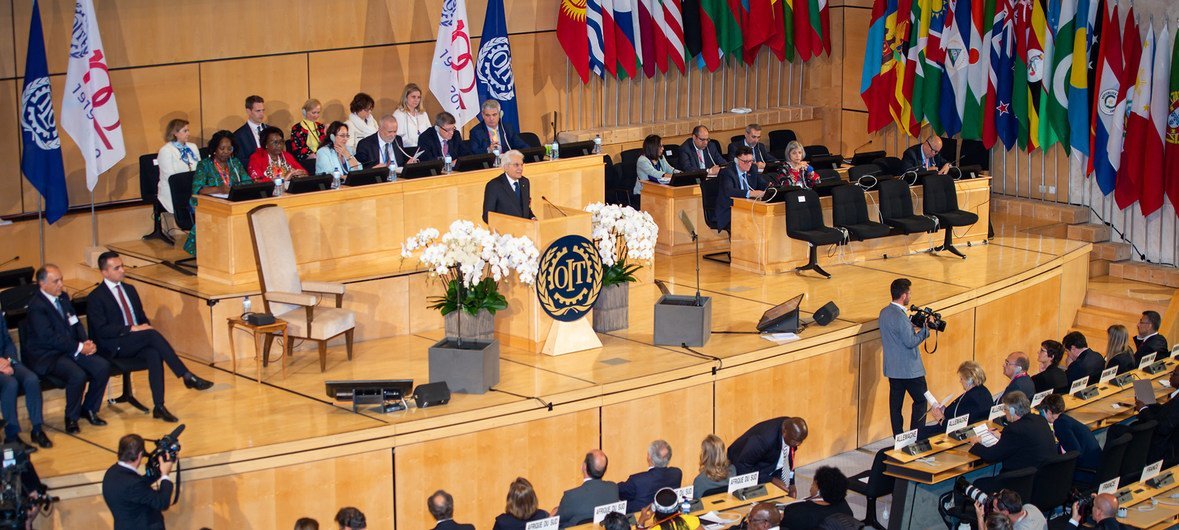
ILO conventions are discussed and adopted at the International Labour Conference, where governments, employers and workers take part in negotiations. Adoption creates an international standard, but it does not automatically make that standard legally binding on every country.
A country must ratify a convention for its provisions to become binding on it under international law. Ratification is a formal commitment to bring national law and practice into line with the convention and to report on how it is being applied. Countries may also choose not to ratify a particular convention, although they remain subject to certain basic obligations as ILO members.
Key areas of protection
Some conventions address fundamental principles and rights at work. These include the right of workers and employers to form organisations and bargain collectively; the elimination of forced labour and child labour; the elimination of discrimination in employment; and the right to a safe and healthy working environment.
Other conventions set standards for particular groups or industries, or address practical aspects of working life. They may deal with working time, employment policy, social security, maternity protection, labour inspection, or conditions in sectors such as maritime work and agriculture.
Conventions and recommendations
The ILO also adopts recommendations. Unlike conventions, recommendations are not treaties and do not require ratification. They offer guidance on how standards can be put into practice and can provide more detailed suggestions for national policy and workplace arrangements.
A convention and its accompanying recommendation may therefore work together: the convention sets out the central obligations, while the recommendation offers practical direction for meeting them.
Monitoring and implementation
Ratification is an important step, but a convention has little effect unless its standards are put into practice. Governments may need to amend legislation, strengthen labour inspection, improve access to justice and consult workers’ and employers’ organisations. Employers, trade unions and civil society can also play an important role in identifying problems and encouraging compliance.
The ILO monitors the application of ratified conventions through reporting and supervisory procedures. These processes can highlight gaps between a country’s commitments and its laws or practices, and provide recommendations for improvement. They are not a substitute for effective national enforcement, but they help keep labour standards under review.
Why international standards matter
Labour conventions help establish a shared understanding of what fair work should involve. They can support workers seeking protection, guide governments developing employment laws, and help responsible employers understand their obligations. International standards are especially important where work and supply chains cross borders, as they provide a common basis for discussing rights and responsibilities.
However, standards alone cannot eliminate exploitation or unsafe work. Their impact depends on ratification, effective laws, enforcement, access to remedies and meaningful participation by workers and employers. Economic pressures, informal employment and limited resources can all make implementation difficult.
A continuing role
The world of work continues to change, from the growth of digital platforms and remote work to new health and safety risks. International labour conventions offer a way to respond collectively, setting principles that can inform national action while allowing countries to adapt them to local circumstances.
By defining shared protections and encouraging accountability, international labour conventions remain an important part of the effort to make work safer, fairer and more dignified for everyone.
8 Tips for Understanding and Applying International Labour Conventions
- Check which ILO conventions your country has ratified.
- Learn how ratified conventions are reflected in national law.
- Know the fundamental rights at work, including freedom of association.
- Support efforts to end forced labour and child labour.
- Promote equal treatment and non-discrimination at work.
- Use ILO guidance when reviewing workplace policies.
- Consult workers and employers when shaping labour standards.
- Follow reporting and monitoring on convention implementation.
Check which ILO conventions your country has ratified.
Check which International Labour Organization (ILO) conventions your country has ratified. Ratification means a country has formally agreed to be bound by a convention and is expected to put its standards into practice. The ILO’s NORMLEX database lists ratifications by country, helping you see which protections apply and explore how they are reflected in national law.
Learn how ratified conventions are reflected in national law.
Learn how ratified conventions are reflected in national law by checking whether legislation has been introduced or amended to meet their requirements. Compare the convention’s provisions with relevant employment laws, regulations and enforcement procedures, and consult official government or International Labour Organization resources for information on implementation. This can help show how international commitments translate into practical rights and protections for workers.
Know the fundamental rights at work, including freedom of association.
Know your fundamental rights at work, including the freedom to join or form a trade union and take part in collective bargaining. These rights are recognised in international labour standards and help workers speak up about their conditions and seek fair treatment. Knowing what protections apply in your country can help you understand your options and where to seek advice if your rights are not respected.
Support efforts to end forced labour and child labour.
Support efforts to end forced labour and child labour by backing strong labour laws, effective inspections and access to justice for affected workers. Governments, employers and communities all have a role to play: identify and report exploitation, protect people at risk, and ensure children can access education rather than being forced into work. Upholding international labour conventions helps turn these commitments into practical protections.
Promote equal treatment and non-discrimination at work.
Promoting equal treatment and non-discrimination at work means ensuring that everyone has fair access to employment, training, pay and career progression, regardless of characteristics such as sex, race, disability, religion, age or national origin. Employers should establish clear policies, prevent harassment, address complaints fairly and review workplace practices for unequal outcomes. These steps support international labour standards and help create safe, respectful workplaces where people can contribute and thrive.
Use ILO guidance when reviewing workplace policies.
When reviewing workplace policies, use guidance from the International Labour Organization (ILO) as a trusted reference point. Its conventions and recommendations cover areas such as working hours, equality, health and safety, and workers’ rights, helping you identify where policies may need updating. Check which standards your country has ratified and seek advice where necessary, as legal requirements vary between jurisdictions.
Consult workers and employers when shaping labour standards.
Consulting workers and employers when shaping labour standards helps ensure that rules reflect the realities of the workplace. Through meaningful dialogue with trade unions, employers’ organisations and other relevant groups, policymakers can identify practical challenges, balance different perspectives and build broad support for new standards. This inclusive approach can make conventions more effective, easier to apply and better suited to protecting workers while supporting fair, sustainable businesses.
Follow reporting and monitoring on convention implementation.
Follow reporting and monitoring on convention implementation to understand whether countries are meeting their commitments in practice. Review reports and observations from the International Labour Organization (ILO), as well as updates from governments, workers’ organisations and employers’ groups. These sources can highlight progress, identify gaps between international standards and national laws or workplace conditions, and point to recommendations for improvement.