Poster Printing and Framing: A Guide to a Better-Finished Print
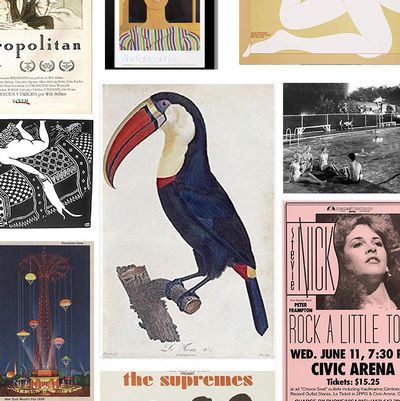
A well-chosen poster can transform a room, whether it features a favourite film, a striking photograph, an illustration or a piece of graphic design. The right print and frame help bring out its colours and detail, while protecting it and making it easier to display. A little planning before you order can make a noticeable difference to the finished result.
Choosing the right image
Start with the quality and size of the image. A file that looks sharp on a phone or computer screen may appear blurry when enlarged. For larger posters, use a high-resolution image or a file prepared specifically for print. If you are commissioning artwork or downloading an image, check that you have permission to reproduce it and that it is suitable for the dimensions you have in mind.
Think about how the poster will look in its intended setting. Consider the colours already in the room, the viewing distance and whether you want the print to be a focal point or part of a larger display. A bold design can make a statement on its own, while smaller prints can work well in a coordinated group.
Selecting paper and finish
The paper stock affects both the appearance and feel of a poster. A lighter paper is often suitable for temporary displays, while a heavier stock can feel more substantial and may be easier to handle when framing. Matte finishes reduce reflections and can suit photographs, illustrations and text-heavy designs. Gloss finishes tend to produce stronger shine and can make colours appear more vivid, although they may reflect nearby lights or windows.
When choosing a finish, consider the lighting in the room and whether the poster will sit behind glazing. Glass or acrylic can add reflections, so a matte print may be a sensible choice for a bright space. For a more understated look, uncoated or satin papers can offer a balance between colour and reduced glare.
Getting the size right
Measure the wall space before ordering, and allow room around the poster if you plan to use a mount. Standard frame sizes can be convenient and widely available, but artwork is not always produced in standard proportions. If the poster and frame do not match, a mount can provide a neat border and help centre the image.
Check whether the dimensions quoted refer to the paper, the visible image or the finished frame. These measurements can differ, particularly when a mount covers the edges of the print. For a multi-poster arrangement, lay out paper templates on the wall first to test the spacing and overall balance.
Choosing a frame
A frame should complement the artwork without competing with it. Slim frames often suit contemporary designs, while wider or more decorative profiles can give traditional prints a stronger presence. Black, white and natural wood are versatile options, but a carefully chosen colour can also pick up a detail in the poster.
Consider the frame’s construction, hanging hardware and glazing. Glass provides a clear finish, while acrylic is lighter and less prone to shattering, which can be useful for larger frames or busy households. Some glazing options offer protection from ultraviolet light, which may help reduce fading over time. However, keeping valuable prints away from direct sunlight remains important.
Why use a mount?
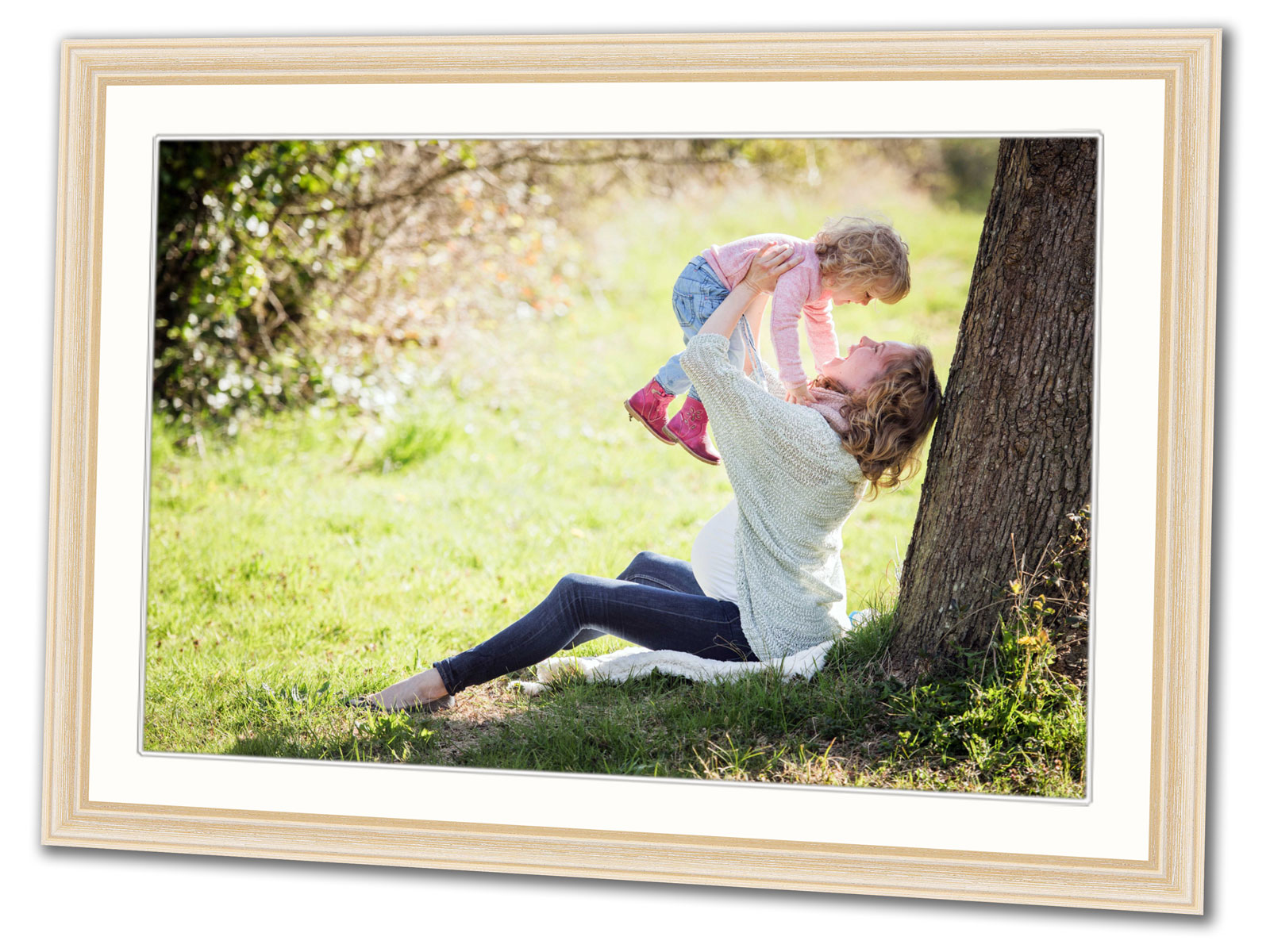
A mount creates space between the artwork and the glazing, adds a visual border and can make a modest-sized print feel more substantial. It can also help draw attention to the image. Choose a mount opening that shows the intended area of the poster without cutting off important text, signatures or details.
For a clean, timeless effect, a neutral mount is often a good choice. A coloured mount can work well when it echoes a shade in the artwork, but strong contrast may distract from the image. If the poster has a printed border, check how it will sit within the frame before deciding whether to include a mount.
Protecting and displaying your poster
Handle prints with clean, dry hands and avoid touching the printed surface. Before framing, make sure the poster is clean and fully dry. If it has been rolled, allow it to relax flat under a clean, light weight rather than forcing it into position. Avoid using adhesive directly on the artwork, as it may stain or damage the paper.
Once framed, hang the poster away from direct sunlight, radiators, damp areas and sources of heat. These conditions can cause fading, warping or discolouration. In rooms with changing humidity, check the frame occasionally to ensure the print remains flat and secure.
A finishing touch that lasts
Good poster printing brings out the detail and colour of an image; thoughtful framing gives it presence and helps protect it. By choosing suitable paper, checking dimensions and considering the room’s lighting, you can create a display that looks carefully finished and remains enjoyable for years to come.
Essential FAQs on Poster Printing and Framing: Resolution, Paper Finish, Size, Frame Selection, Mounting, and Protection
- What resolution should my image be for poster printing?
- Which paper finish is best for a poster
- What poster size should I choose for my wall?
- How do I choose the right frame size for a poster?
- Should I use a mount when framing a poster?
- How can I protect a framed poster from fading and damage?
What resolution should my image be for poster printing?
For a sharp poster, aim for an image resolution of around 300 dpi at the final print size. For large posters that will be viewed from further away, 150–200 dpi may be sufficient. Check the image’s pixel dimensions against the size you want to print, and avoid enlarging a small image too much, as this can make it look blurry or pixelated.
Which paper finish is best for a poster
The best paper finish depends on the poster’s design and where it will be displayed. Matte paper reduces glare, making it a good choice for text-heavy artwork, illustrations and rooms with bright lighting. Gloss paper gives colours a vivid, high-shine look, which can suit bold photographs and graphic designs, but may reflect light. Satin offers a middle ground, with rich colour and less shine than gloss. If the poster will be framed behind glass, consider matte or satin to help minimise reflections.
What poster size should I choose for my wall?
The right poster size depends on the wall space, viewing distance and look you want to create. Measure the area first, leaving enough room around the poster for it to sit comfortably among furniture and other artwork. A large print can make a striking focal point on a spacious wall, while smaller posters work well in pairs or gallery-style arrangements. Remember to include the frame and any mount in your measurements, as these increase the final dimensions.
How do I choose the right frame size for a poster?
To choose the right frame size, check the poster’s exact dimensions and look for a frame with a matching aperture or opening. If you’d like to add a mount, choose a larger frame and make sure the mount’s opening suits the visible area of the poster. As frame and print measurements can be listed differently, check whether they refer to the artwork, the mount opening or the outer frame. For a non-standard poster size, consider a made-to-measure frame or use a mount to fit it into a standard one.
Should I use a mount when framing a poster?
A mount is optional, but it can give a framed poster a more polished look by creating a border around the artwork and drawing attention to it. It also keeps the print slightly away from the glass, which can help prevent it sticking to the glazing. Choose a mount that suits the poster and frame, and check that its opening won’t cover important details. For a clean, contemporary look, you may prefer to frame the poster without one.
How can I protect a framed poster from fading and damage?
To help protect a framed poster from fading and damage, hang it away from direct sunlight, heat sources and damp areas. Choose UV-filtering glazing to reduce the effect of ultraviolet light, and consider a mount to keep the print from touching the glass. Handle the poster with clean, dry hands, use acid-free mounting materials where possible, and check the frame occasionally for signs of moisture or damage.