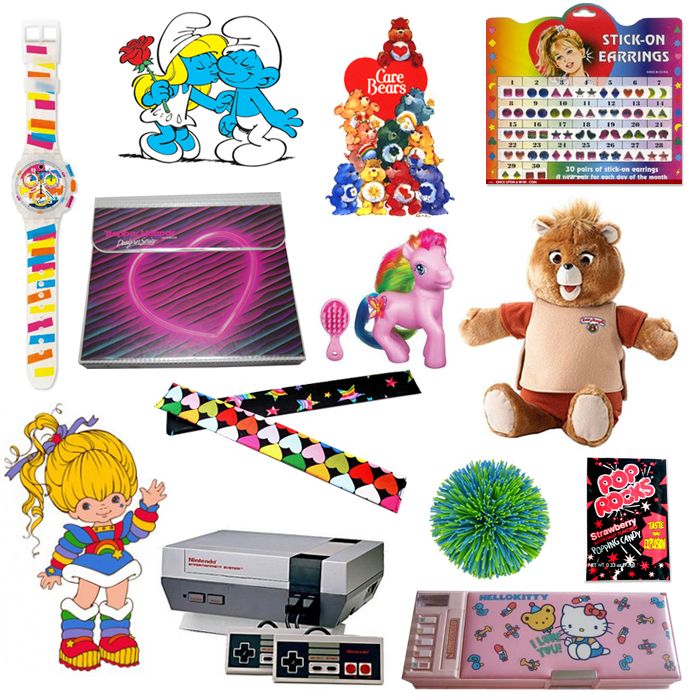
80s Memorabilia: A Colourful Look Back at a Defining Decade
From neon colours and bold graphics to unforgettable films, music and toys, the 1980s left a distinctive mark on popular culture. Today, 80s memorabilia offers collectors a way to revisit the decade and preserve pieces of its history. Whether you grew up in the eighties or discovered its style later, there is a remarkable variety of items to explore.
What counts as 80s memorabilia?
Memorabilia can include almost any object connected with the decade’s entertainment, technology, fashion or everyday life. Some collectors focus on a particular interest, while others build broader collections that capture the spirit of the era.
- Film and television: original posters, promotional photographs, video releases, programmes and licensed merchandise.
- Music: vinyl records, cassette tapes, concert tickets, tour T-shirts and promotional items.
- Toys and games: action figures, dolls, board games, handheld games and original packaging.
- Technology: home computers, early gaming consoles, portable cassette players and accessories.
- Fashion and accessories: branded clothing, trainers, badges, jewellery and distinctive costume pieces.
- Everyday ephemera: magazines, comics, catalogues, trading cards and advertising.
Why do people collect it?
For some, collecting is about nostalgia: a toy or record can bring back memories of childhood, a favourite television programme or a first concert. For others, 80s memorabilia is an opportunity to explore how popular culture changed during a period of new technology, bold design and rapidly expanding entertainment industries.
Items can also be valued for their visual appeal, rarity or historical interest. But collectability does not always mean high monetary value. A well-loved magazine or an ordinary household object may be meaningful because of the memories and stories attached to it.
How to start an 80s collection
Start with a subject you genuinely enjoy. Choosing a focus, such as a particular band, film, toy line or type of technology, can make it easier to learn what exists and decide what is worth collecting. It can also help prevent impulse purchases that do not fit your interests.
Before buying, research the item and compare examples from reputable sellers. Check what is included, whether the packaging is original, and whether there are signs of damage, repairs or missing parts. If an item is described as rare or valuable, look for evidence rather than relying on the seller’s claim alone.
Authenticity and condition
As with any collectible, reproductions and later reissues can be mistaken for original pieces. Packaging, logos, dates, manufacturer details and construction can provide useful clues. For higher-value purchases, seek advice from knowledgeable collectors or a specialist dealer, and ask for clear photographs and a written description.
Condition is important, but it is not the only measure of an item’s appeal. A sealed product may be attractive to some collectors, while others prefer objects that have been used and enjoyed. Decide what matters to you, and remember that opening or restoring an item can affect its value to certain buyers.
Looking after your collection
Protect memorabilia from direct sunlight, damp, extreme temperatures and dust. Paper items such as posters and magazines are best stored in archival-quality sleeves or folders. Keep electronic devices in a dry environment, and avoid attempting to power up old equipment without checking its condition first. Batteries left inside vintage toys and devices can leak and cause damage, so inspect them carefully.
It is also sensible to keep a simple record of your collection, including where items came from, what you paid and any known details about their history. This can help with insurance, future sales or simply keeping track of your finds.
Preserving the spirit of the eighties
80s memorabilia is more than a collection of old objects. It reflects the fashions, technologies and entertainment that shaped a generation, while offering a tangible connection to the past. Whether you are searching for a prized collector’s item or holding on to a favourite keepsake, the best collection is one that tells a story you care about.
7 Essential Tips for Preserving and Valuing Your 80s Memorabilia Collection
- Check labels and dates to confirm an item’s age.
- Store paper memorabilia away from sunlight and damp.
- Use acid-free sleeves for posters, tickets and cards.
- Keep original packaging with toys and collectibles.
- Avoid cleaning vintage items with harsh chemicals.
- Photograph items and note their history for insurance.
- Compare recent sales before buying or selling.
Check labels and dates to confirm an item’s age.
Check labels, logos and dates to help confirm an item’s age. Manufacturer details, copyright notices and production codes can offer useful clues, but designs may change over time and some vintage items have been reissued. Compare the markings with reliable reference sources, and look for other signs of age before deciding that a piece is genuinely from the 1980s.
Store paper memorabilia away from sunlight and damp.
Store paper memorabilia, such as posters, magazines and tickets, away from direct sunlight and damp to help prevent fading, discolouration and mould. Keep items in a cool, dry place, ideally in acid-free sleeves or folders, and avoid attics, cellars and other areas where temperature and humidity can fluctuate.
Use acid-free sleeves for posters, tickets and cards.
Use acid-free sleeves to protect posters, tickets and cards from discolouration and deterioration over time. Ordinary plastic or paper can contain chemicals that damage delicate memorabilia, so choose archival-quality sleeves and make sure each item is clean and dry before storing it. Keep them away from direct sunlight, damp and excessive heat to help preserve their condition.
Keep original packaging with toys and collectibles.
Keep the original packaging with toys and collectibles whenever possible. Boxes, inserts and labels add to an item’s authenticity and help show how it was originally sold, making them valuable parts of the collectable. Store packaging carefully in a dry place away from direct sunlight to prevent fading, creases and moisture damage.
Avoid cleaning vintage items with harsh chemicals.
Avoid cleaning vintage 80s memorabilia with harsh chemicals, as they can fade colours, damage finishes or weaken delicate materials. Instead, remove dust gently with a soft, dry cloth, and test any suitable cleaner on a small, hidden area first. For fragile, valuable or electronic items, seek advice from a specialist before attempting to clean them.
Photograph items and note their history for insurance.
Photograph each item in your 80s memorabilia collection from several angles, and keep the images with a note of its history, including where and when you acquired it, its condition and any distinctive details. Store this record securely and update it when your collection changes. Clear documentation can make it easier to identify and value your belongings if you need to make an insurance claim.
Compare recent sales before buying or selling.
Before buying or selling 80s memorabilia, compare recent sales of similar items to get a realistic idea of its current market value. Look for examples in the same condition, with comparable packaging and accessories, and check completed sales rather than relying solely on asking prices. This can help you avoid overpaying, set a fair price and make a more informed decision.