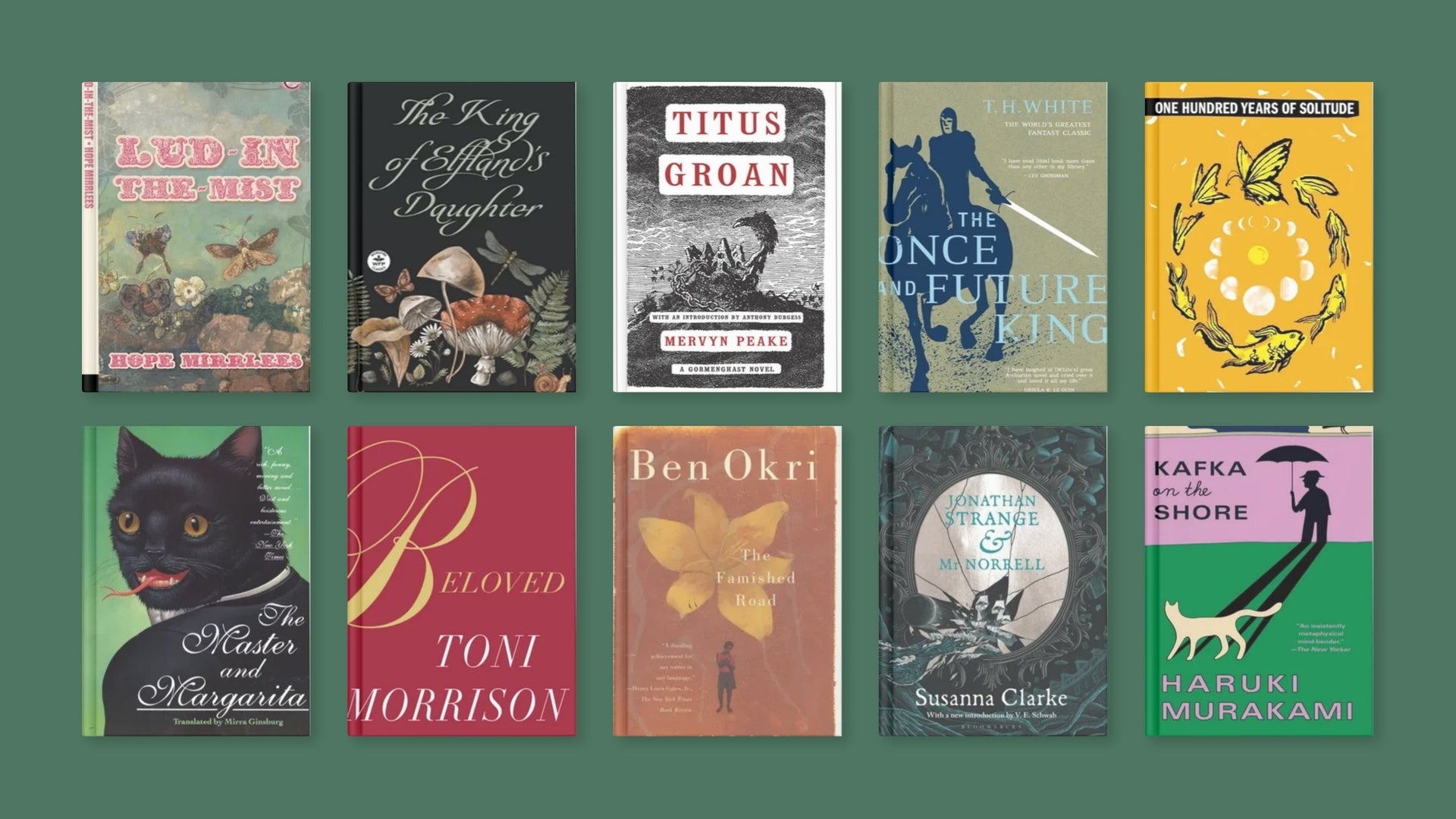
Fantasy Literature: Worlds Beyond the Ordinary
Fantasy literature invites readers to step beyond the familiar and enter worlds shaped by magic, myth and imagination. From enchanted forests and ancient kingdoms to contemporary cities hiding supernatural secrets, fantasy offers countless ways to explore what might be possible when the ordinary rules of life no longer apply.
A tradition of wonder
Stories of the fantastic have deep roots in folklore, mythology and oral storytelling. Tales of heroes, magical creatures and quests were shared across cultures long before fantasy became a recognised literary genre. Modern fantasy draws on this rich heritage, while creating new settings, characters and ideas for each generation of readers.
The genre’s history includes works that helped establish many of its best-known conventions: invented worlds, detailed histories, powerful magic and journeys that test a hero’s courage. Yet fantasy has never stood still. Writers continue to reshape these conventions, blending fantasy with romance, mystery, horror, historical fiction and science fiction.
Many kinds of fantasy
Fantasy is a broad genre, and its stories can take very different forms. High fantasy often unfolds in an entirely imagined world, while low fantasy introduces magical events into a setting that resembles our own. Urban fantasy brings supernatural elements into modern cities; historical fantasy mixes real periods and events with magic; and cosy fantasy tends to focus on community, comfort and smaller-scale adventures.
There are no firm boundaries between these categories. A single novel might combine political intrigue, folklore, a coming-of-age story and a carefully constructed system of magic. This flexibility is one of fantasy’s greatest strengths: readers can find stories that are epic or intimate, playful or dark, familiar or wholly unexpected.
More than magic
Magic may be one of fantasy’s most recognisable features, but it is rarely the whole point. A spell, prophecy or mythical creature can help a writer examine questions that matter in the real world. Fantasy stories often explore power, justice, belonging, identity, grief and the responsibilities that come with choice.
Invented worlds can also offer fresh perspectives on our own. By changing the rules of a society or imagining different histories, writers can challenge readers to reconsider familiar assumptions. A quest may be entertaining on the surface while also asking what makes a person brave, who gets to shape the future, or whether good intentions are enough to justify power.
Why readers return
Fantasy offers the pleasure of discovery: a new landscape to explore, an unfamiliar culture to understand and mysteries to unravel. It can provide escape from everyday life, but escape does not necessarily mean avoiding reality. Sometimes, looking at difficult questions through the lens of another world makes them easier to approach.
For many readers, fantasy is also a source of hope. Its characters may face overwhelming odds, make mistakes and lose their way, yet their choices can still matter. The genre makes room for wonder while reminding us that courage, friendship and compassion can change the course of a story.
A genre without limits
Fantasy literature belongs to no single age group, style or tradition. It can be grand and sprawling or quiet and personal; it can draw on familiar myths or invent something entirely new. Whether readers are seeking a sweeping adventure, a strange and beautiful setting or a thoughtful exploration of human experience, fantasy continues to offer worlds worth getting lost in.
Crafting Compelling Fantasy: Five Essential Tips for Writers
- Build a vivid, believable world.
- Give magic clear rules and limits.
- Create characters with meaningful goals.
- Use myths and folklore for inspiration.
- Balance wonder with emotional depth.
Build a vivid, believable world.
Build a vivid, believable world by giving it details that feel consistent and lived-in. Think about its landscapes, climate, history, customs, languages and everyday routines, as well as how magic or technology affects ordinary life. You do not need to explain everything at once: reveal details naturally through characters’ actions and conversations. When the world follows its own clear rules, readers can immerse themselves in the wonder while still believing in what happens.
Give magic clear rules and limits.
Give magic clear rules and limits to make it feel believable and keep your story’s tension intact. When readers understand what magic can and cannot do, they can appreciate the cleverness, sacrifice or risk involved in using it. Limits also prevent magic from becoming an easy solution to every problem, giving your characters room to struggle, make difficult choices and grow.
Create characters with meaningful goals.
Give your characters goals that matter deeply to them, whether they are trying to save a kingdom, find a place to belong or protect someone they love. A meaningful goal gives each character direction and helps readers understand what is at stake. In fantasy, it can also connect personal struggles to the wider world: a quest to recover a lost heirloom might reveal an ancient conflict, while a desire to master magic could challenge a character’s beliefs about power and responsibility. When goals are clear, personal and difficult to achieve, characters’ choices feel more compelling—and their journeys more rewarding.
Use myths and folklore for inspiration.
Myths and folklore are rich sources of inspiration for fantasy writing, offering memorable creatures, ancient conflicts and timeless themes to adapt in fresh ways. Explore stories from different cultures, paying attention to their symbols, values and local variations, then use them as a starting point rather than simply retelling them. A familiar legend can become something entirely new when you change its setting, give a side character the lead or imagine how its events might unfold in another world.
Balance wonder with emotional depth.
Fantasy is at its most powerful when its wonders are matched by emotional depth. Enchanting worlds, extraordinary creatures and dazzling magic can capture a reader’s imagination, but it is the characters’ hopes, fears and relationships that make their journeys matter. Let the fantastical elements illuminate what your characters stand to lose, desire or discover, so that every spell and revelation feels connected to their inner lives.